XIV Judicial Forum Took Place with the Support of EU Project Pravo-Justice
On November 27-28, 2025, the XIV Judicial Forum, leading annual event for discussing strategic challenges and the future of justice, took place. The event was organised by the Ukrainian Bar Association with the support of EU Project Pravo-Justice, implemented by Expertise France, and other partners.
During the first day of the Forum, judges, lawyers, representatives of judicial governance bodies, legislators, and international experts discussed digital transformation of the judicial system, bar reform, and means of ensuring the unity of judicial practice.
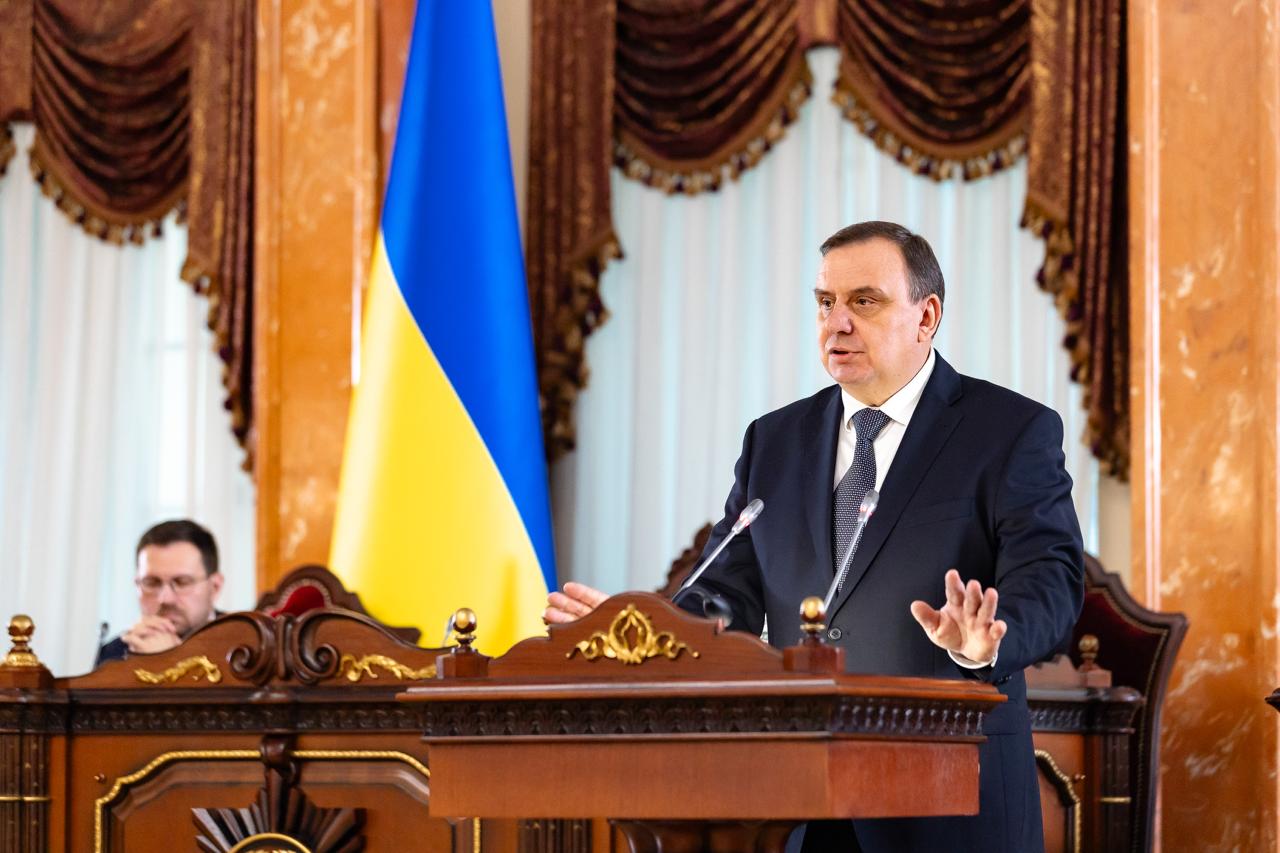
President of the Supreme Court Stanislav Kravchenko noted that the judicial system coped with the challenges it faced during the war and managed to ensure the stability of its work.
“Ukraine is a unique state that, being in extremely difficult conditions of war, focuses not only on maintaining the stability, but also on its European integration progress. No doubt, the implementation of the measures provided for by the Roadmap will require particular efforts. However, the judicial system is ready for this challenge, and provided that all participants in the European integration process coordinate their actions, Ukraine will cope with the tasks set and will certainly achieve this goal,” he said.
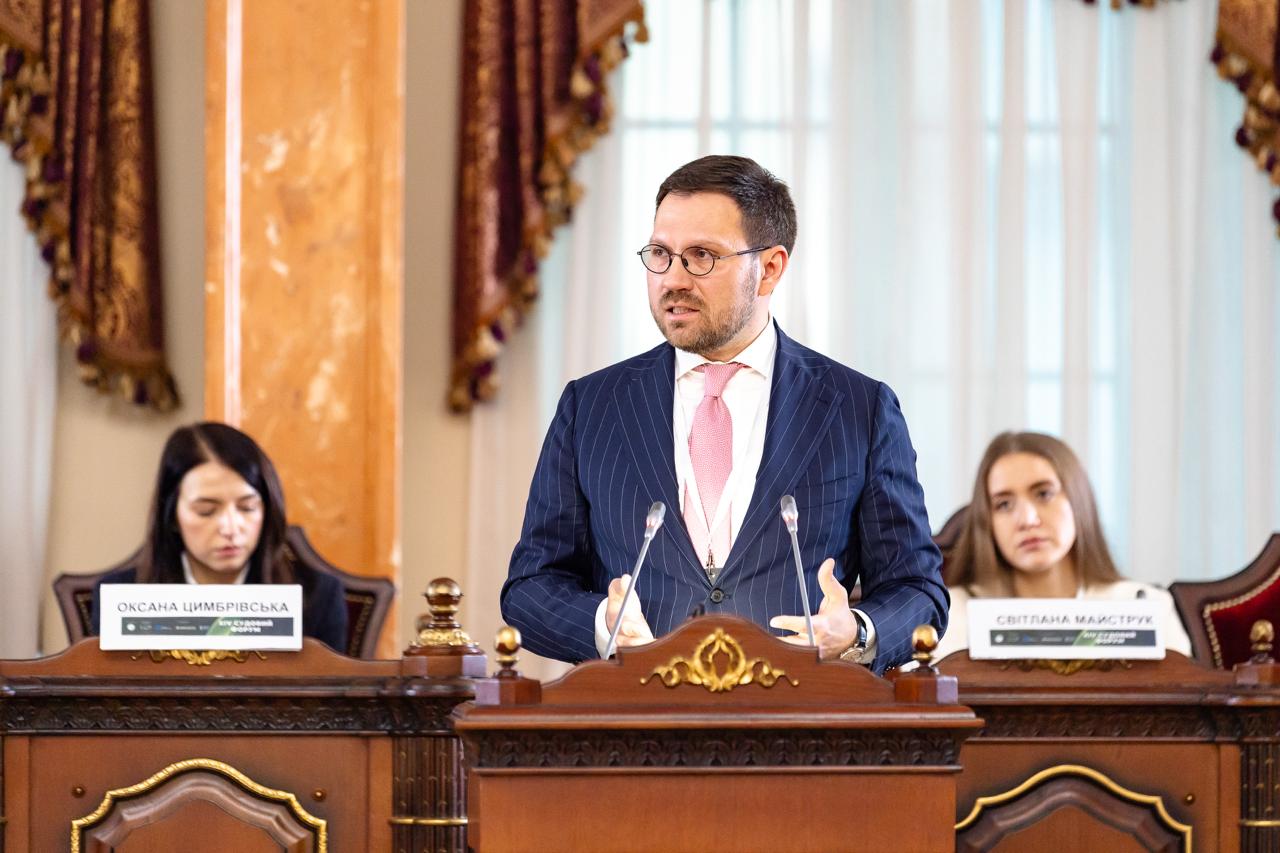
For his part, President of the Ukrainian Bar Association Mykola Stetsenko emphasised the role of the Association as a platform for professional dialogue, uniting the authorities, the legal profession, and civil society.
“When it comes to lawyers, UBA provides professional development, mentoring and high ethical culture. As to the society, UBA offers independent expertise, support for victims of war, free legal aid and assistance in bringing to justice for international crimes. As to benefits for the State, they include the participation of experts in legislative reform, European integration processes, and the establishment of the rule of law," stated Mykola Stetsenko.
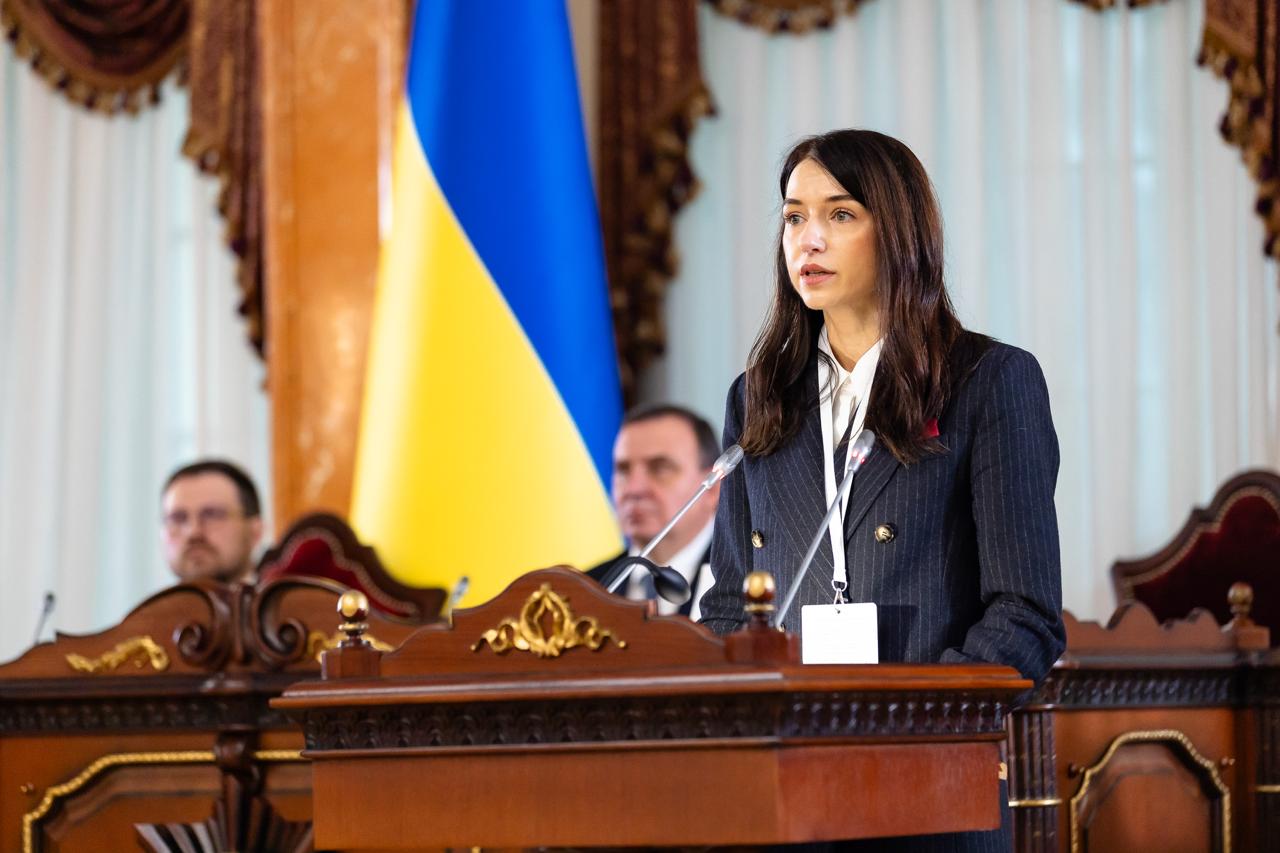
Oksana Tsymbrivska, Team Leader of EU Project Pravo-Justice, noted that, despite the full-scale war, Ukraine is steadily moving towards European integration. The framework for changes is defined by two key documents – the Rule of Law Roadmap, adopted by the Government in May 2025, and the latest European Commission Enlargement Report, published on November 4.
According to her, the justice system is always an ecosystem. Its performance depends on how smoothly its key elements – courts, bar, and prosecution serviced – and institutions responsible for the independence and integrity of the judiciary can interact.
“The integrity of the justice ecosystem is of key importance for European integration. It lies at the heart of Chapter 23 “Justice and Fundamental Rights”, which is part of Cluster 1 “Fundamentals”. It is this cluster – the first to open and the last to close – that actually determines the pace of a candidate country’s progress toward EU membership. Therefore, reforms in the justice sector, including anti-corruption infrastructure and institutional integrity, remain a key condition for Ukraine’s further advancement on its path to the EU,” emphasised Oksana Tsymbrivska.
Svitlana Maistruk, Key Expert on Court Modernisation of EU Project Pravo-Justice, emphasised Ukraine’s commitments in the field of digital justice in the context of European Integration: E-court implementation based on audits and the new concept of UJITS, professional IT management, cyber security, and compliance with European standards.
“When comparing the Ukrainian experience and the experience of colleagues from the European Union and from Asian countries, we can clearly state that the new concept is very ambitious, and it is realistic. Some of the solutions that Ukraine is developing today can, in fact, serve as an example and best practice for colleagues from other countries,” she emphasised.
During the second day, the participants discussed European integration processes, international court cases, and legislative changes that would have impact on the application of law in 2025.
In particular, Taras Kachka, Deputy Prime Minister for European and Euro-Atlantic Integration, said that the next 24 months would be crucial for justice reform in the context of moving towards the EU. According to him, the justice reform, the foundation of which was laid back in 2016, is in its final stage.
“We have 24 months of intensive work ahead. Whether we can complete the transformation of the sector and be fully prepared for EU accession in 2028 depends on the ability of the legal community to work together,” he said.
In turn, Liudmyla Suhak, Acting Minister of Justice, shared details of how the Ministry of Justice coordinated the implementation of the Rule of Law Roadmap, which includes 529 measures, 110 of which are related to the justice sector. The scale of the draft demonstrates the level of attention to the sector, both from the European Union and from Ukraine. According to her, the Ministry of Justice ensures continuous monitoring of the Roadmap implementation by forming interdepartmental working groups meeting regularly to discuss achievements and challenges and agree on ways to solve problems; such meetings are followed by consultations with the EC. This format allows for the prompt resolution of controversial and problematic issues and synchronising the pace of implementation with all partners.
“In practice, we realised that the implementation of the Roadmap requires more time, discussions and efforts than we anticipated when developing the document. We are overcoming all these challenges with dignity, because we clearly see the common ultimate goal: full and high-quality implementation of the tasks defined by the Roadmap,” - summarised Liudmyla Suhak.
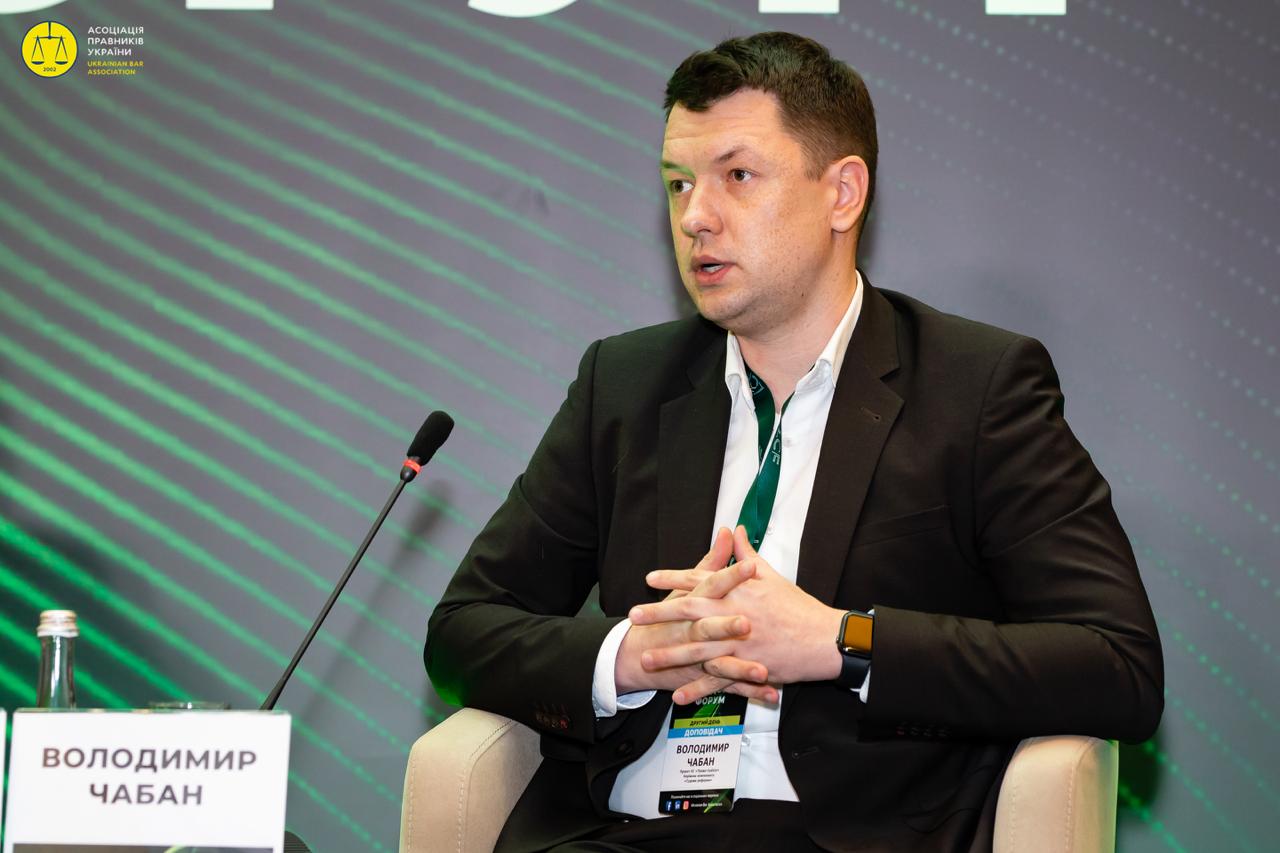
For his part, Volodymyr Chaban, Judiciary Component Lead at EU Project Pravo-Justice, spoke about the importance of international technical assistance in the implementation of judicial reform.
“International technical assistance is not just about financial resources. It is about the tools that the European Union provides to Ukrainian institutions to implement reforms. EU Project Pravo-Justice acts as a partner of state authorities, because we share a common goal, which consists in high-quality and sustainable changes in the justice system,” he said.
Volodymyr Chaban emphasised that EU Project Pravo-Justice, in close coordination with beneficiaries, sets priorities, responds to their requests, and provides technical solutions necessary for the implementation of the Rule of Law Roadmap and other European requirements. The scale of the endeavour is truly impressive – over 500 measures to achieve more than 100 strategic results.
“It is this kind of cooperation that allows moving forward and achieving tangible results,” he said.
Video recording of the session Digitization of the Justice Sector.