Thematic Workshops on the Implementation of the Rule of Law Roadmap in the Area of Fundamental Rights Were Held
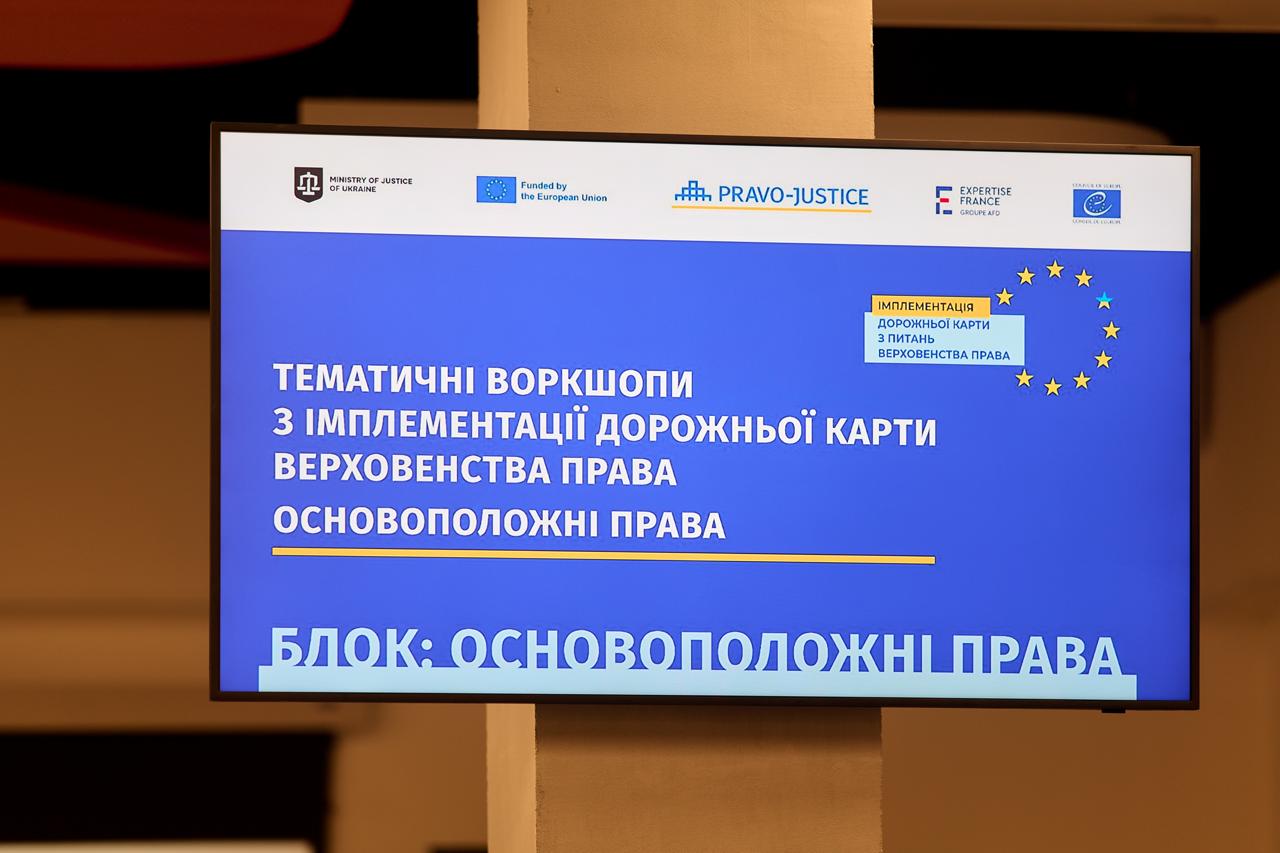
On 21-23 and 28-30 January, a series of thematic workshops on the implementation of the Rule of Law Roadmap in the area of fundamental rights was held in Kyiv in a hybrid format. The event was organised by EU Project Pravo-Justice in cooperation with the Ministry of Justice of Ukraine and the Council of Europe Office in Ukraine, and in partnership with the Project “Strengthening Ukraine’s EU Accession in the Rule of Law” (3E4U) and other international partners.
Workshops have brought together representatives of state authorities from the expert group in charge of implementing the Fundamental Rights Section of the Rule of Law Roadmap, as well as representatives of international organisations, European experts, and Ukrainian civil society.
The primary objective of the event was to launch the practical work of the subgroups responsible for implementing the Roadmap and to ensure a consistent understanding of European standards in the field of the rule of law. Participants learned about the EU acquis, Member States’ best practices, and approaches to implementing key policies on fundamental rights.
For several days, participants worked in the dedicated subgroups, in particular on freedom of assembly and association, freedom of expression, fighting hate speech and hate crimes, combating racism and xenophobia, non-discrimination against members of the LGBTIQ community, prohibition of torture and penitentiary reform, human rights framework, rights of persons with disabilities and national minorities, rights in the field of criminal justice, child-friendly justice, personal data protection, as well as gender equality and combating violence against women.
The agenda included expert presentations, statements by civil society representatives, and remarks from the European Commission, followed by a discussion involving representatives of state authorities.
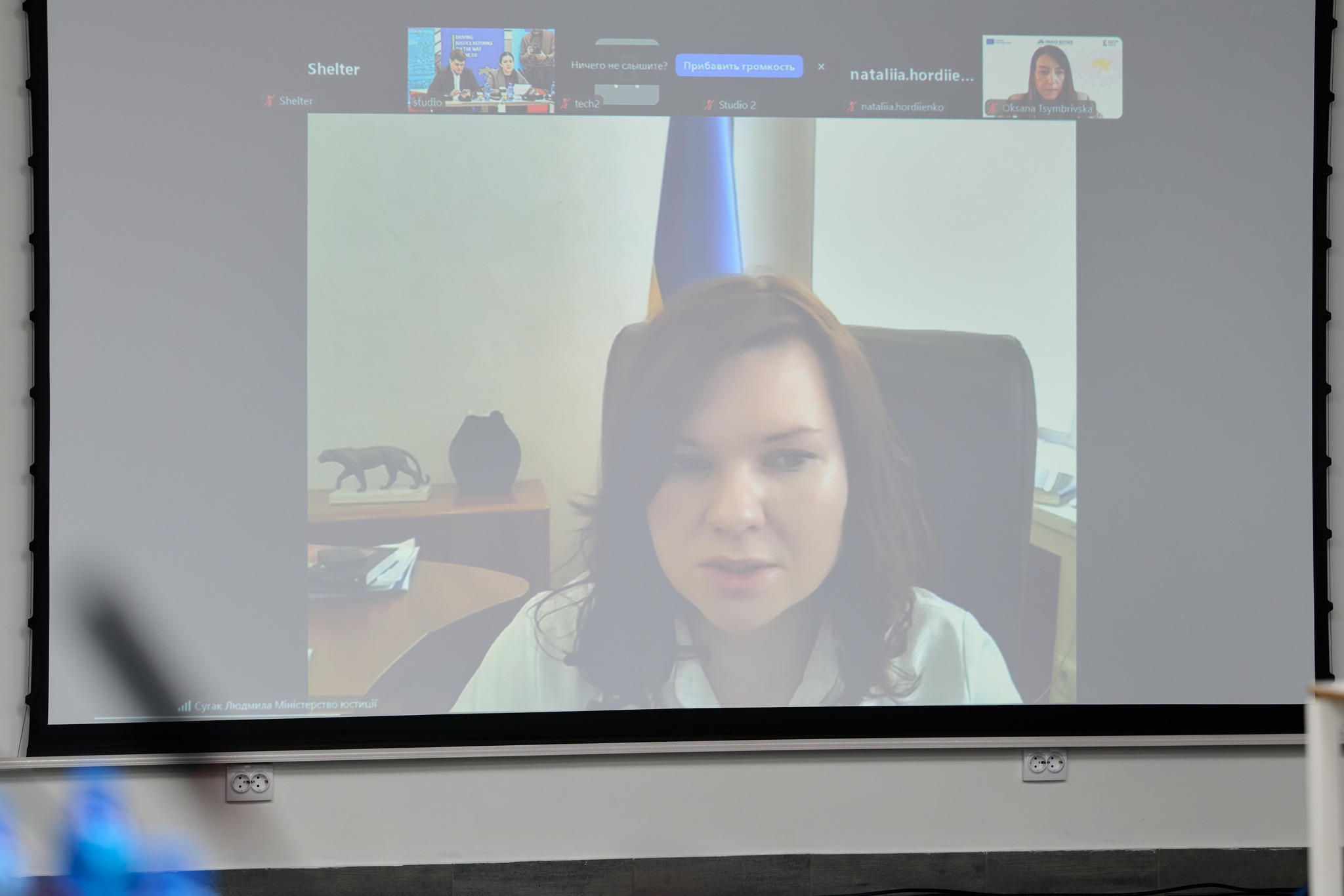
Liudmyla Suhak, Acting Minister of Justice of Ukraine, noted that workshops are a powerful platform for professional dialogue, the exchange of ideas, and prompt information for European partners about the dynamics of Ukraine’s progress in implementing the Roadmaps.
“Despite the full-scale war and the complicated situation in the energy sector, state authorities make consistent efforts to implement the Roadmap measures. As of the beginning of 2026, 64 measures have already been implemented. This clearly demonstrates Ukraine’s willingness to fulfil its obligations and move towards European integration,” she said.
She told participants that around 30 priority measures from the Rule of Law Roadmap for the European side fall under the Fundamental Rights block and that their implementation requires joint efforts by the government, international partners, and civil society.
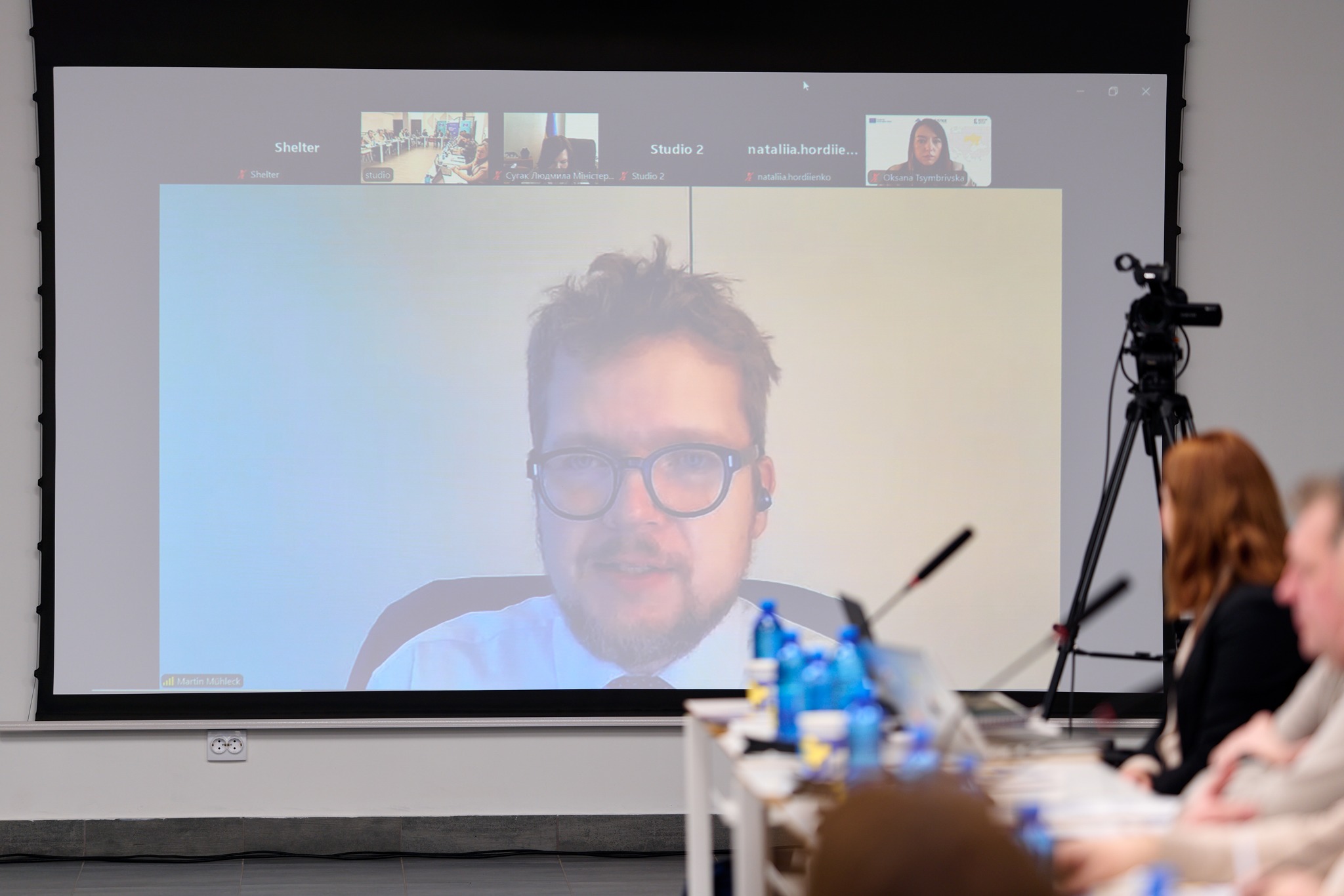
Martin Mühleck, Head of the Good Governance and Fundamental Rights Team at the Ukraine Desk, Directorate-General for Enlargement and Eastern Neighbourhood, European Commission, emphasised the importance of dialogue and exchange of experience between Ukraine and the EU in the field of fundamental rights.
“These workshops are a great opportunity for meaningful interaction – to ask questions, seek answers, and share the practical experience of EU Member States in implementing key European policies and legislation in the field of fundamental rights. Our task is to help our Ukrainian partners gain a deeper understanding of what the EU acquis entails in specific areas and how best to adapt these approaches to the Ukrainian context. The ultimate goal is the effective application of European standards for the benefit of Ukrainian citizens and to equip Ukrainian authorities with the necessary skills to align with the EU acquis for its EU integration,” said Martin Mühleck.
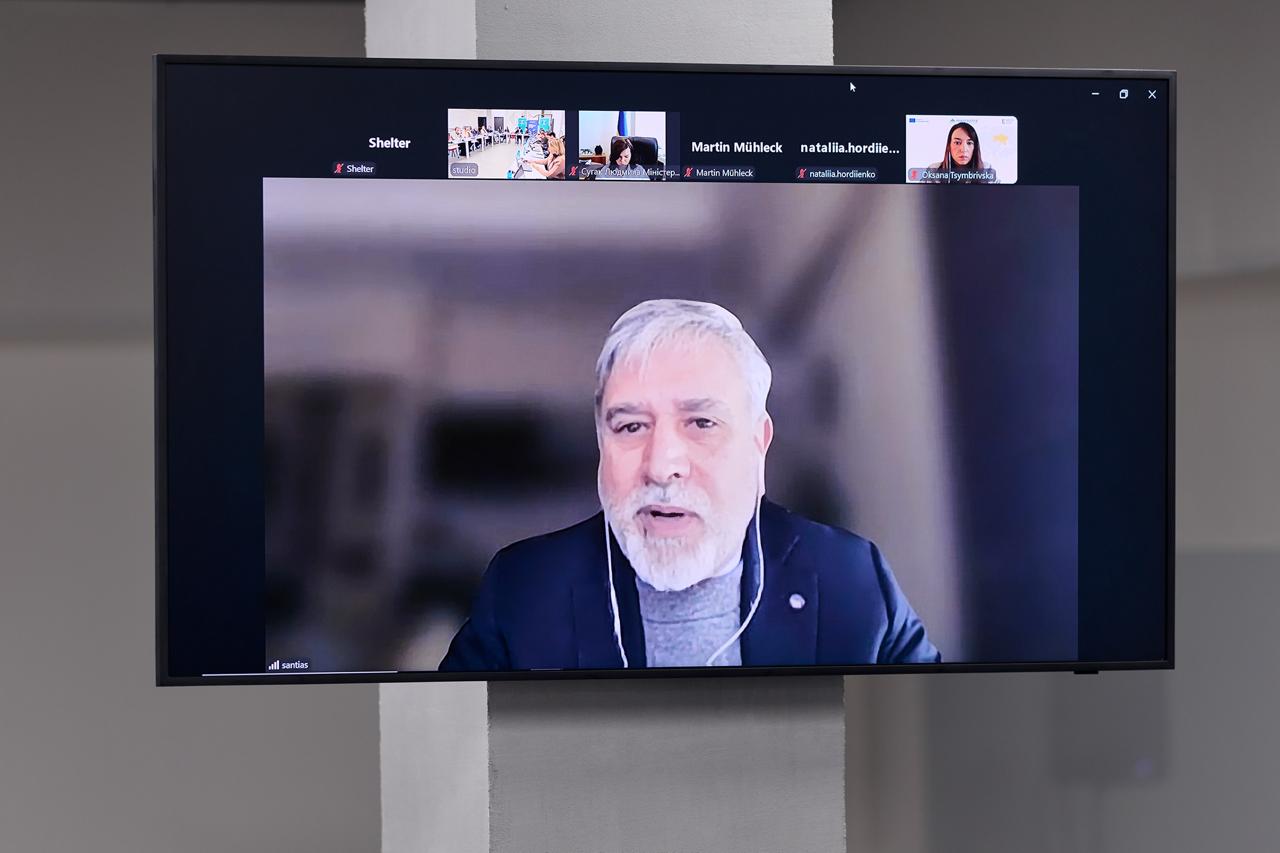
Asier Santillan, Head of the European Integration, Governance and Rule of Law, Civil Society Section at the EU Delegation to Ukraine, outlined the structure of the coordination mechanism for implementing the Rule of Law Roadmap, in particular the role of thematic workshops.
“A series of thematic workshops within the Roadmap on the Rule of Law is designed to help align understanding of European expectations for each area of reform and share best practices from EU Member States so that changes are evidence-based and truly implementable. We encourage participants to be frank and practical, to identify bottlenecks, to clearly allocate responsibilities and to focus on consistency of action. The voice of civil society is key here, as it provides an understanding of how rights are implemented in practice and where gaps remain. The EU delegation remains committed to supporting Ukraine’s agenda on the rule of law and fundamental rights – politically, technically and through sustained partnership,” emphasised Asier Santillan.
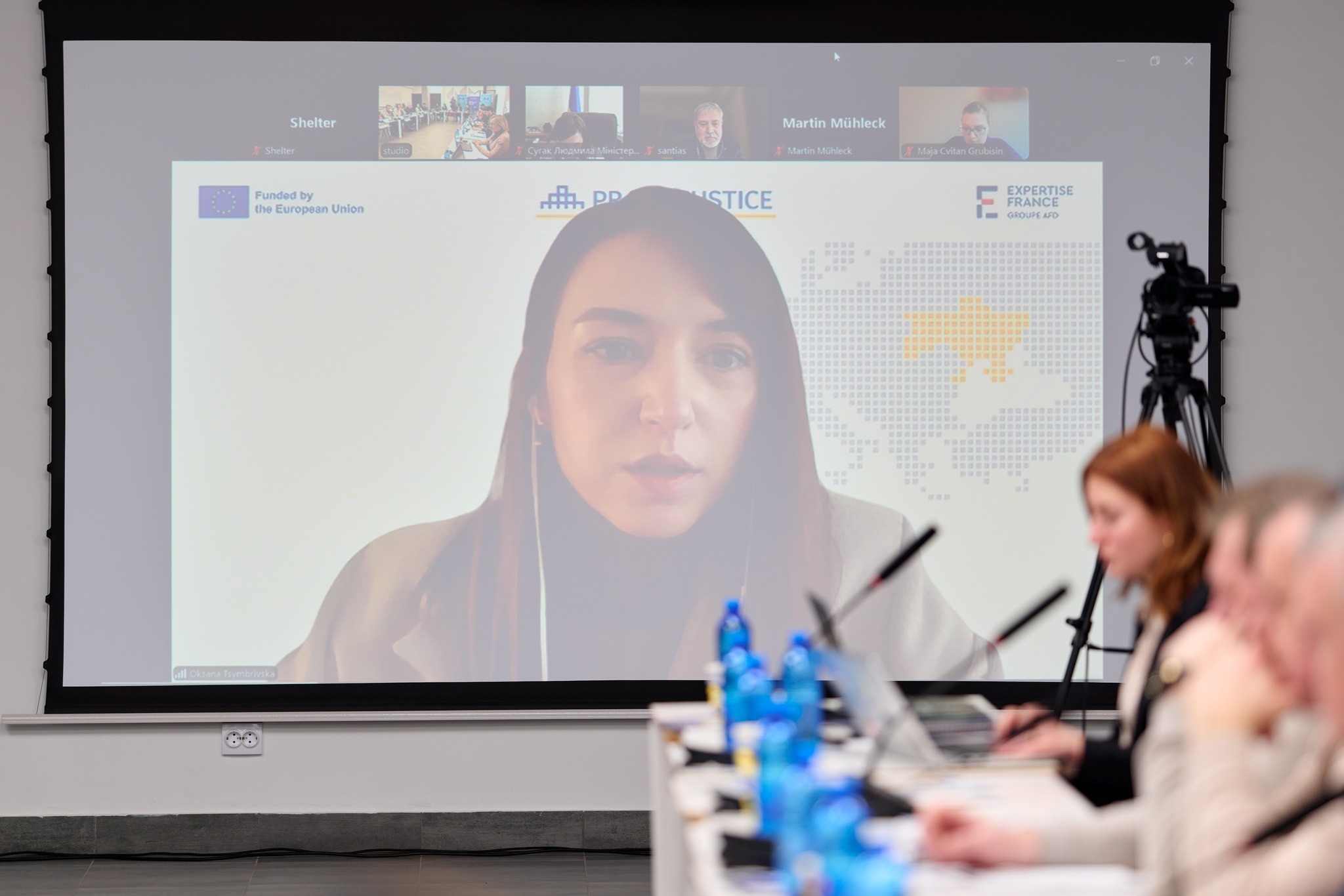
Oksana Tsymbrivska, Team Leader at the EU Project Pravo-Justice, emphasised the importance of coordination and synergy among different partners for the successful implementation of the Rule of Law Roadmap.
“We see these workshops as a practical platform for implementing the Roadmap measures. Their unique format combines the efforts of government authorities, international experts, civil society and European Commission representatives. Such synergy enables asking difficult questions, receiving professional feedback, and working together to find solutions for implementing reforms. Throughout the workshops, we will have a large team of international experts working with us, and I urge the participants to take advantage of this opportunity to learn from their experience, avoid the typical mistakes made by candidate countries, and tailor best practices to the Ukrainian context. I would like to express my sincere gratitude to the Ministry of Justice of Ukraine for its coordinating role, and to our partners, the Council of Europe Office in Ukraine and GIZ, for their significant expert support in this series of workshops,” said Oksana Tsymbrivska.
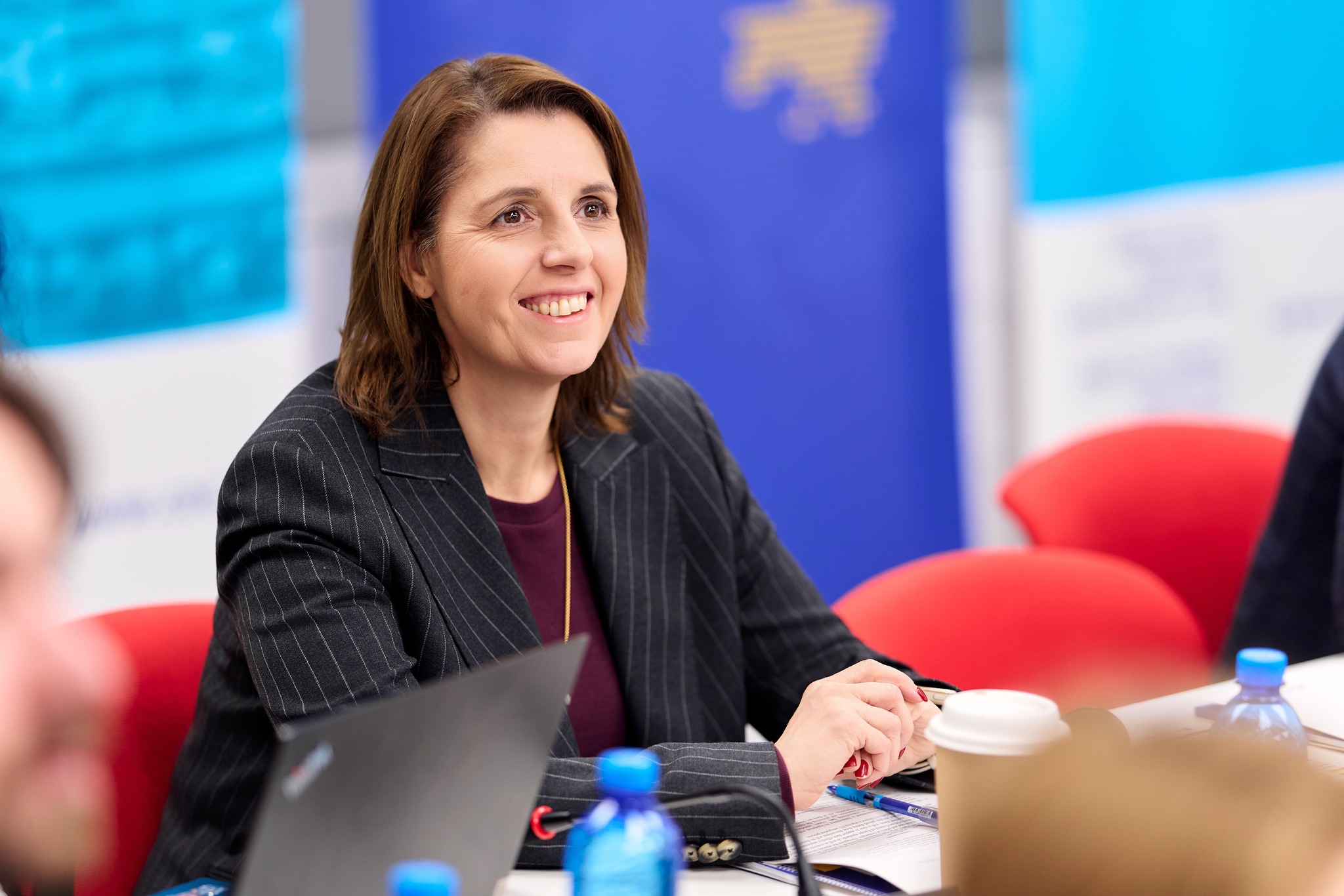
Hilde Haug, Deputy Head of the Council of Europe Office in Ukraine, underlined the importance of the Workshop on Fundamental Rights, organized in partnership with Pravo-Justice, describing it as a highly valued platform for constructive dialogue and practical exchange. She outlined key areas in which Council of Europe experts support Ukraine in its efforts to implement EU standards in the field of fundamental rights.
“Council of Europe experts share relevant organizational standards and examples of best practices from EU member states, enabling the knowledge gained to be directly applied in the Ukrainian context and to contribute to the European integration process. We highly appreciate Ukraine’s commitment to harmonizing its legislation with European standards, particularly in the areas of combating hate crime, introducing civil partnerships, strengthening anti-discrimination legislation, and protecting the rights of persons belonging to national minorities and Roma communities. The Council of Europe will continue to be a reliable partner for Ukraine, providing expert support in the protection of fundamental rights – especially for vulnerable groups – during this challenging time,” Hilde Haug emphasized.
The series of thematic workshops has been an important step in the practical implementation of the Rule of Law Roadmap. It will help align national reforms with European standards on fundamental rights, supporting Ukraine on its path to EU membership.