EU Project Pravo-Justice Supported the Development of a Roadmap for the Veteran Policy Implementation within the Probation System
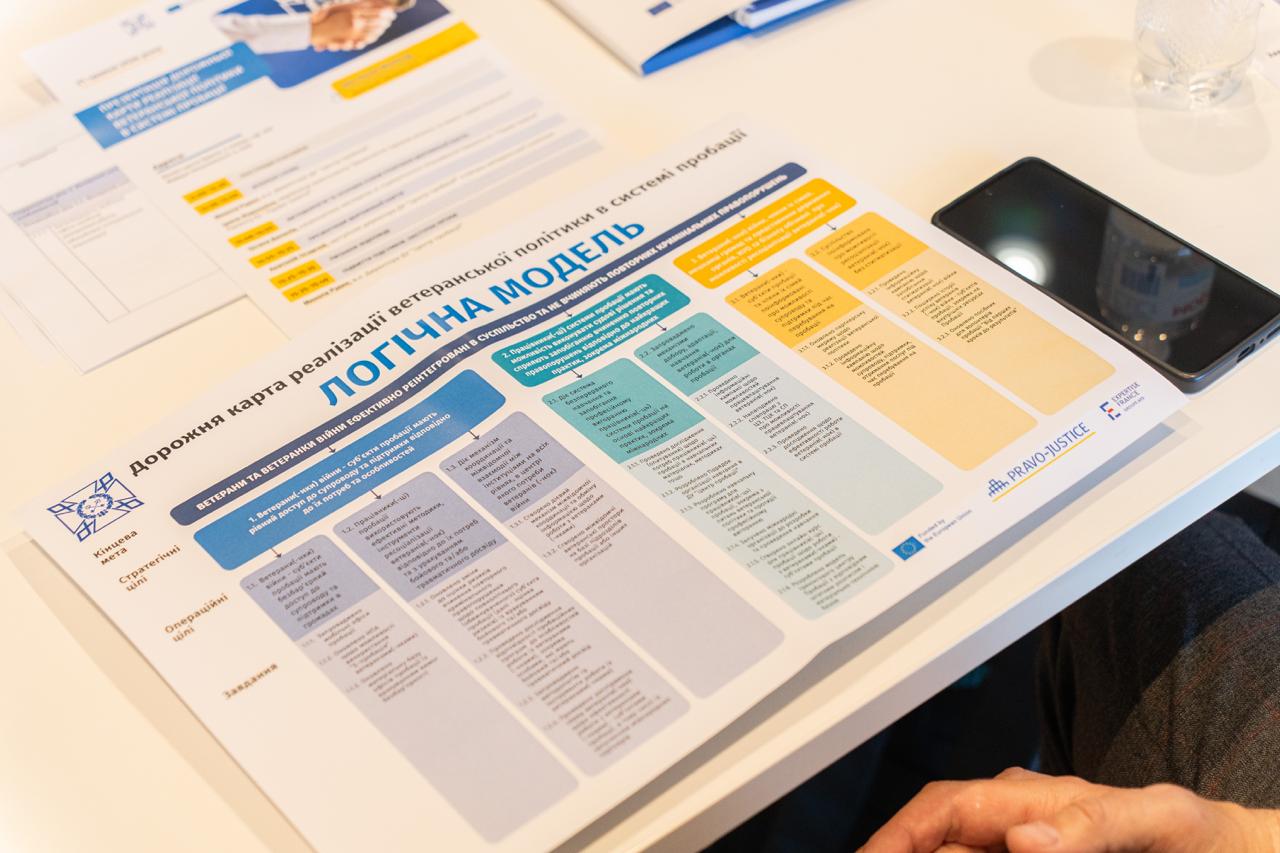
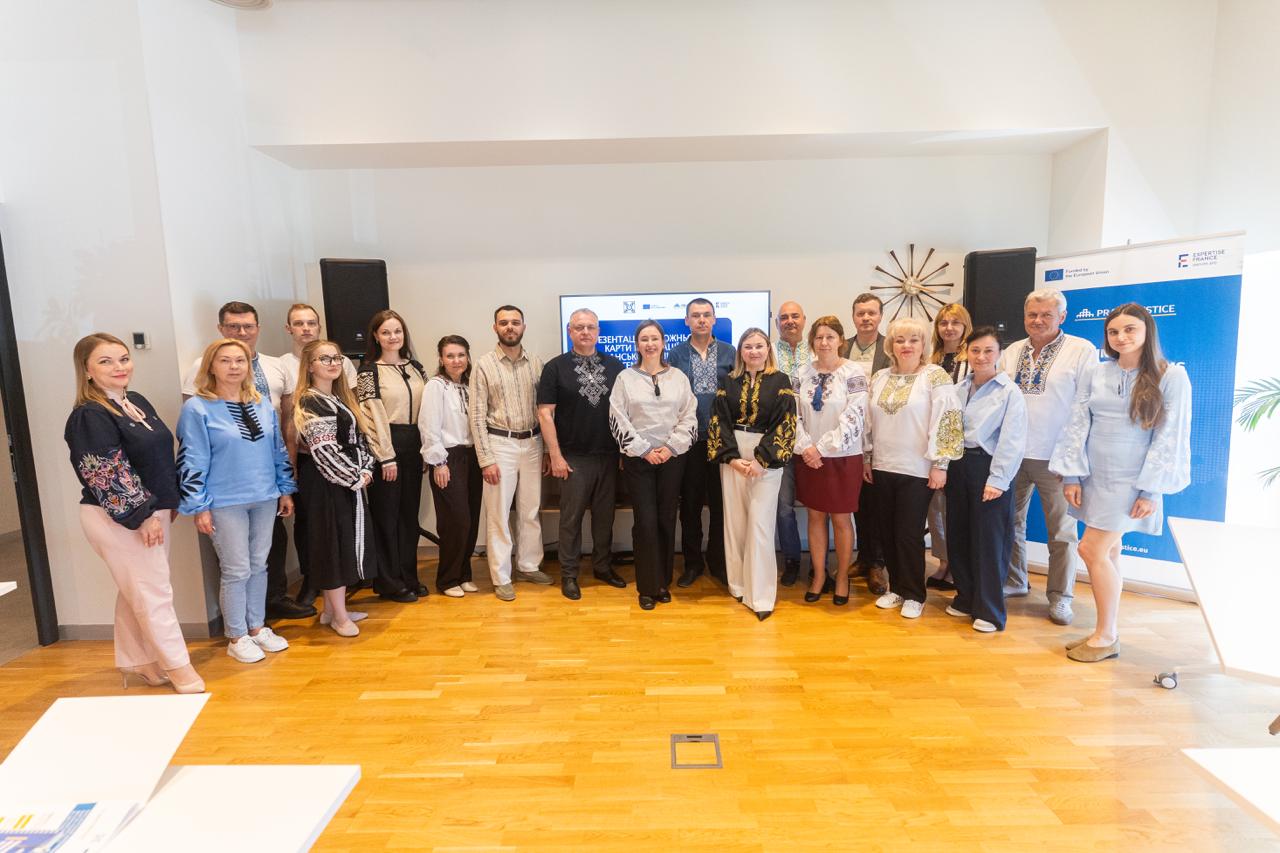
On 21 May, a presentation was held on the Roadmap for the implementation of veterans’ policy within the probation system, developed by the State Institution “Probation Center” with the support of EU Project Pravo-Justice in cooperation with the Ministry of Veterans’ Affairs of Ukraine and the LEAD Foundation. The event was attended by representatives of the Ministry of Justice of Ukraine, the State Institution “Probation Center” and its regional branches, as well as by the Project experts.
“This event is not merely a presentation of a document, but the launch of systematic work within one of the priority areas of the State Institution “Probation Center” — the implementation of veteran policy. Today, there are over 1,600 veterans and individuals with combat experience under probation, and we understand that this figure will, unfortunately, continue to rise. That is why it is important to start developing effective tools for the resocialisation and reintegration of Ukraine’s defenders right now. “We hope that the Roadmap will serve as a basis for a joint search for practical solutions that the probation system can effectively apply in its daily work,” noted Mykola Rudyk, Acting Director of the State Institution “Probation Center”.
In turn, Iryna Zharonkina, Enforcement and Protection of Property Rights Component Lead at EU Project Pravo-Justice, emphasised that the development of veteran policy is an important component of the modern probation system.
“Since 2014, and especially following the full-scale invasion, veteran policy has become one of the key areas of state policy. Today, Ukraine is shifting from an approach focused primarily on social benefits to a comprehensive system of support for veterans of army, with an emphasis on rehabilitation, the development of services, and the adaptation of state institutions to new challenges. For the probation system, this issue is particularly relevant, as it is not only about working with people who have combat and/or traumatic experiences, but also about the institution’s readiness to evolve and respond to emerging needs,” noted Iryna Zharonkina.
Tetiana Daniliv, strategic planning expert at EU Project Pravo-Justice, explained that the Roadmap was developed through a participatory process involving all key stakeholders — representatives of the probation system, male and female veterans, the Ministry of Justice of Ukraine, the Ministry of Veterans Affairs of Ukraine, alongside international and civil society organisations. The work utilised a result-oriented management methodology employed by international organisations and European countries. This approach involved a step-by-step process — from identifying key changes and strategic objectives to formulating operational tasks, a system of indicators and an implementation plan.
“Over 60 participants were involved in the document’s development, and the Roadmap itself contains not only a strategic vision but also a detailed action plan with designated responsible parties, timeframes and indicators for assessing the effectiveness of its implementation,” noted Tetiana Daniliv.
Anatolii Osadchyi, Deputy Director for Veteran Policy at the State Institution “Probation Center”, outlined the document’s strategic objectives, including ensuring equal access for male and female veterans to personalised support and assistance, improving the effectiveness of the probation system based on best practices to prevent reoffending, and informing the public and key stakeholders about opportunities for the resocialisation of veterans without stigmatisation.
“The implementation of the Roadmap is expected to strengthen the institutional capacity of the probation system, improve the effectiveness of veterans’ reintegration, reduce the risks of reoffending, and establish a contemporary model for supporting veterans within the justice system,” emphasised Anatolii Osadchyi.
In turn, Olena Kochura noted that the Roadmap’s action plan is a dynamic component that will be reviewed and adjusted depending on new challenges, the security situation, and the needs of the system.
“The implementation of the Roadmap will be monitored using not only quantitative but also qualitative indicators, so as to take into account not only the number of measures carried out, but above all their actual effectiveness and impact on the reintegration of male and female veterans into society,” concluded Olena Kochura.