Imposing Fair Sanctions and the Role of Probation: EU Project Pravo-Justice Supported Training of Trainers for the Trainers of the National School of Judges
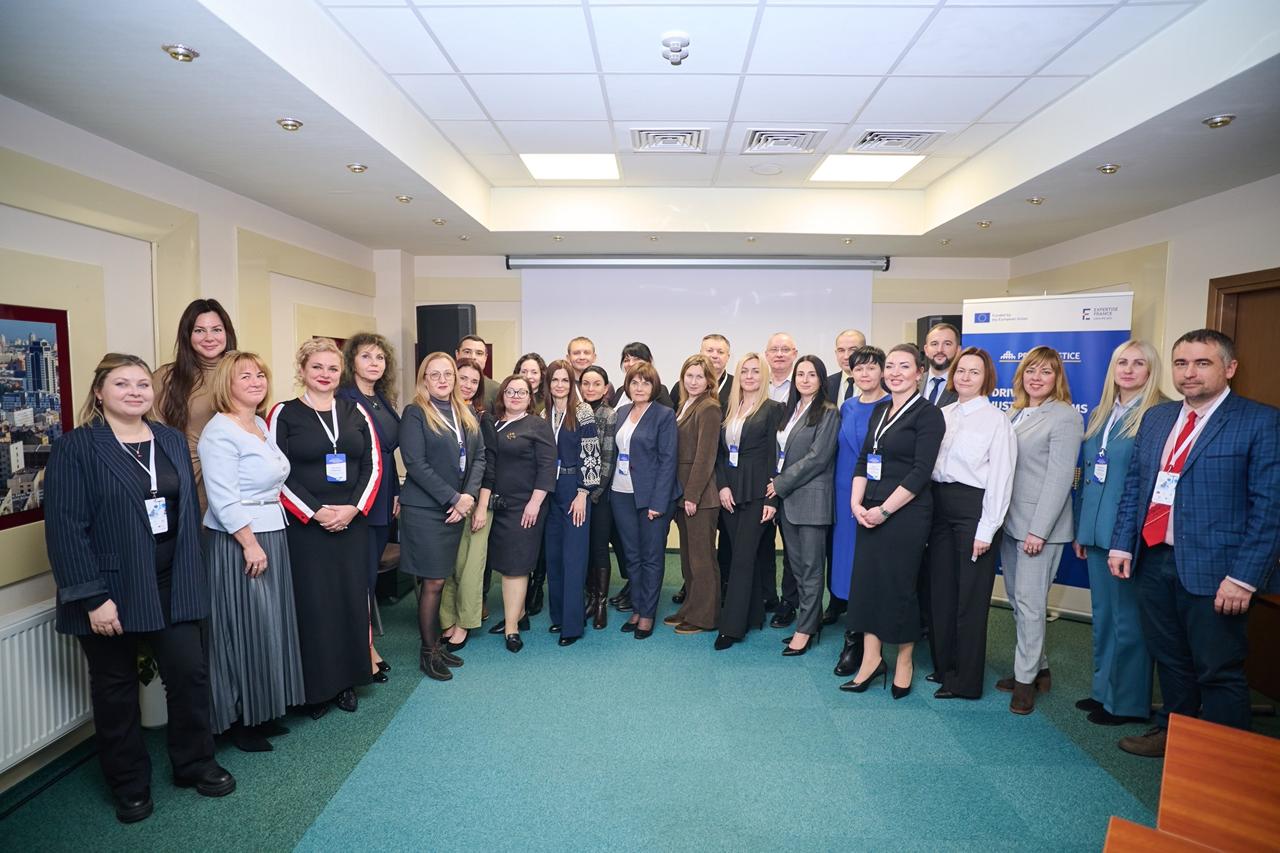
On 4-5 December, the National School of Judges of Ukraine, in cooperation with EU Project Pravo-Justice, held a two-day training course for the trainers of the National School of Judges. More than 30 judges acting as trainers took part in the event. The training was delivered by judges, including Supreme Court judges, representatives of the Ministry of Justice of Ukraine and the Probation Centre, academics, and international experts from EU Project Pravo-Justice.
“The topic of imposing fair sanctions remains one of the most pressing issues in jurisprudence, because the fate of an individual and public trust in justice depend on sound court decisions. This training is an important step in preparing future trainers for the National School of Judges. We have already piloted this training programme, received valuable feedback from participants, and are confident that they will be able to apply their new knowledge in their further work, both in training colleagues and in administering justice. In the future, we plan to roll out the programme and conduct similar training courses for first instance judges and newly appointed judges,” said Yelyzaveta Kovtiuk, course leader and lecturer-coordinator of the Department of the Training of Trainers at the National School of Judges.
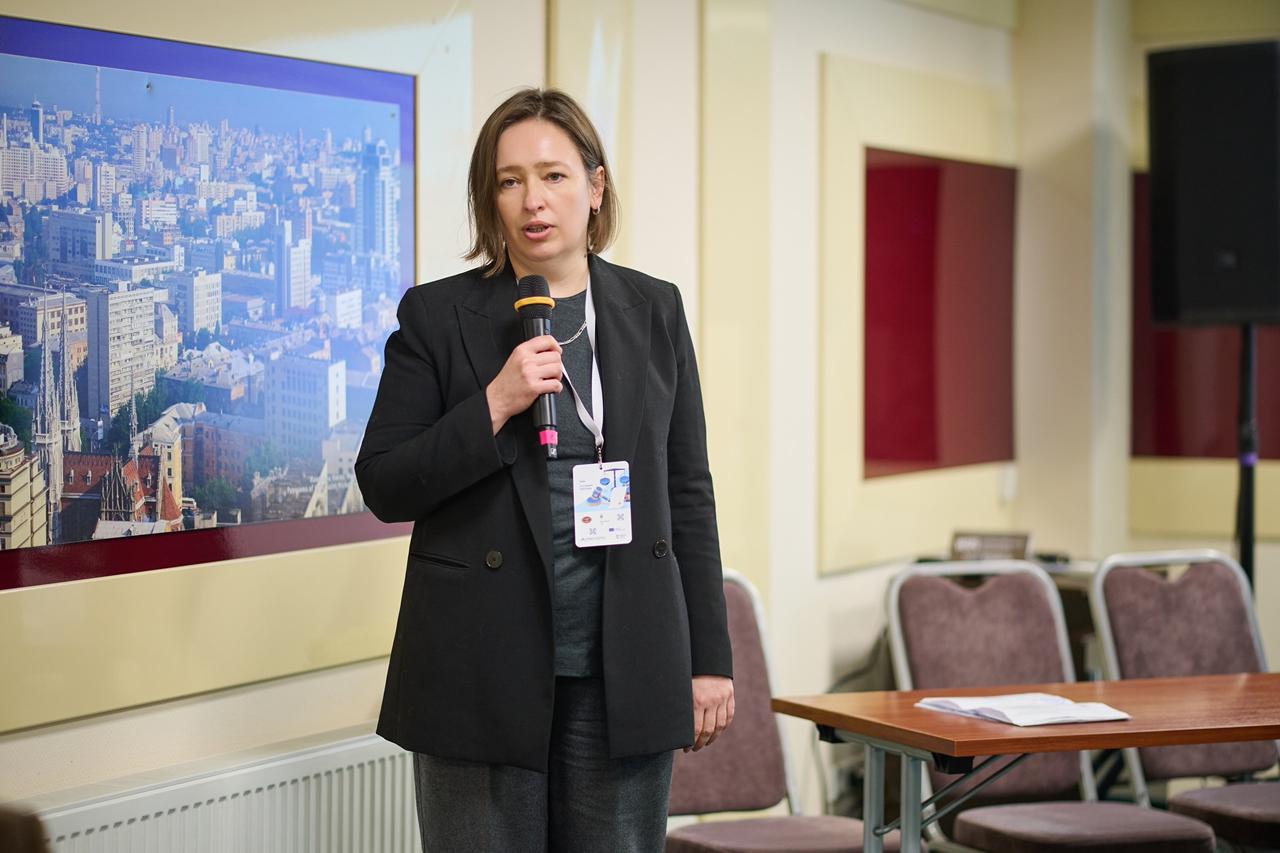
Iryna Zharonkina, Enforcement and Protection of Property Rights Component Lead at EU Project Pravo-Justice, emphasised that the modern approach to imposing sanctions should be based on the principles of individualisation and resocialisation, rather than solely on the punitive function.
“Judges play a key role in ensuring that alternative sanctions are applied where this is consistent with the objectives of justice and public safety. This approach is fully in line with European standards and EU policies, which emphasise effective rehabilitation, reducing reoffending and the rational use of criminal justice resources,” said Iryna Zharonkina.
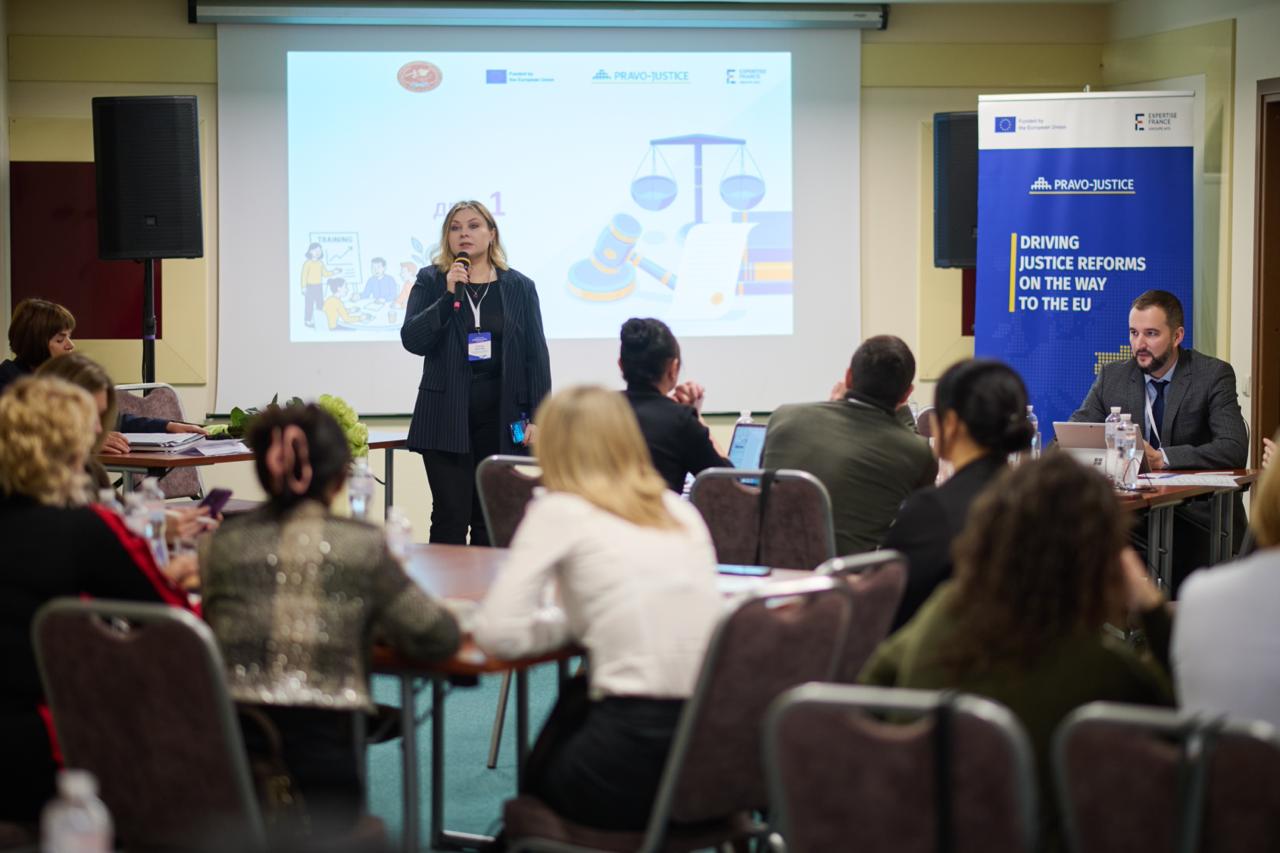
Olena Kochura, Key Expert on Reforming the Penitentiary System and Probation at EU Project Pravo-Justice, noted that the number of probation clients in Ukraine is already almost double the number of prisoners in detention facilities, indicating a gradual shift in approaches to imposing sanctions. Jurisprudence is increasingly guided by the principles of appropriateness and fairness.
“Probation is now the most effective alternative to imprisonment. It allows people who have committed minor offences to remain in society, maintain family and social ties, retain their work skills and gradually change their behaviour. This not only contributes to rehabilitation, but also prevents reoffending,” emphasised Olena Kochura. According to her, the further development of the probation system requires strengthening interagency cooperation, raising awareness among judges and introducing best international practices.
During the two-day training, trainers from the National School of Judges of Ukraine, who are judges from local general courts, highlighted key issues related to imposing sanctions and applying probation as an effective alternative to imprisonment. The training programme combined theoretical knowledge and practical case studies, particularly regarding the choice of the type of sanction, working with vulnerable groups, military personnel and minors. Participants learnt how to use pre-trial reports when making decisions, and which court functions are most conducive to rehabilitation and in which circumstances, with particular reference to using probation programmes as one of the most effective means of resocialisation. They also analysed the current jurisprudence of the Supreme Court.
Randal Barrows, international expert at EU Project Pravo-Justice, presented European probation standards and emphasised that Ukraine has all the prerequisites for their implementation. He stressed the importance of cooperation between courts, probation, prosecutors, police and civil society organisations, as well as the need to make wider use of alternative sanctions and modern technologies, in particular electronic monitoring.
At the end of the event, participants noted its practical value. In particular, they suggested conducting training sessions on the deeper exploration of sentencing minors, the specifics of criminal appeals, and crimes committed by military personnel. Such initiatives will contribute to further development of the training programmes of the National School of Judges and improve the professional training of judges.