EU Project Pravo-Justice, in Collaboration with the National School of Judges of Ukraine, Conducted Training for Judges on Juvenile Justice
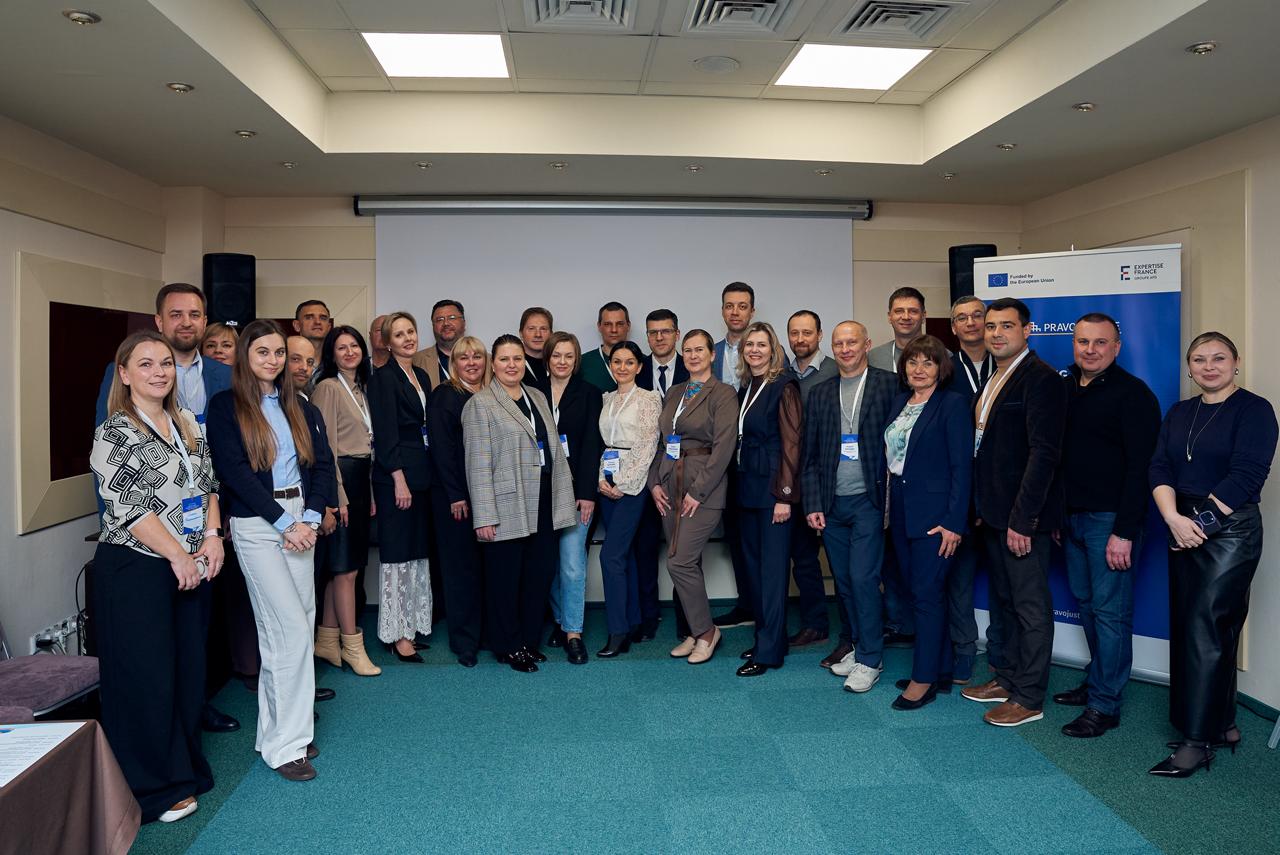
On 27 March, EU Project Pravo-Justice, in collaboration with the National School of Judges of Ukraine, conducted a training session for judges from local general courts entitled ‘Special Procedures in Juvenile Criminal Justice’. Over 30 judges from various regions of Ukraine took part in the event. The training was conducted by judges, academics and experts from EU Project Pravo-Justice.
The training focused on practical aspects of considering cases involving minors, including international standards and the challenges judges face in their work. The curriculum was first piloted by judges-trainers from the National School of Judges and further refined in collaboration with EU Project Pravo-Justice, taking into account typical issues faced during such proceedings.
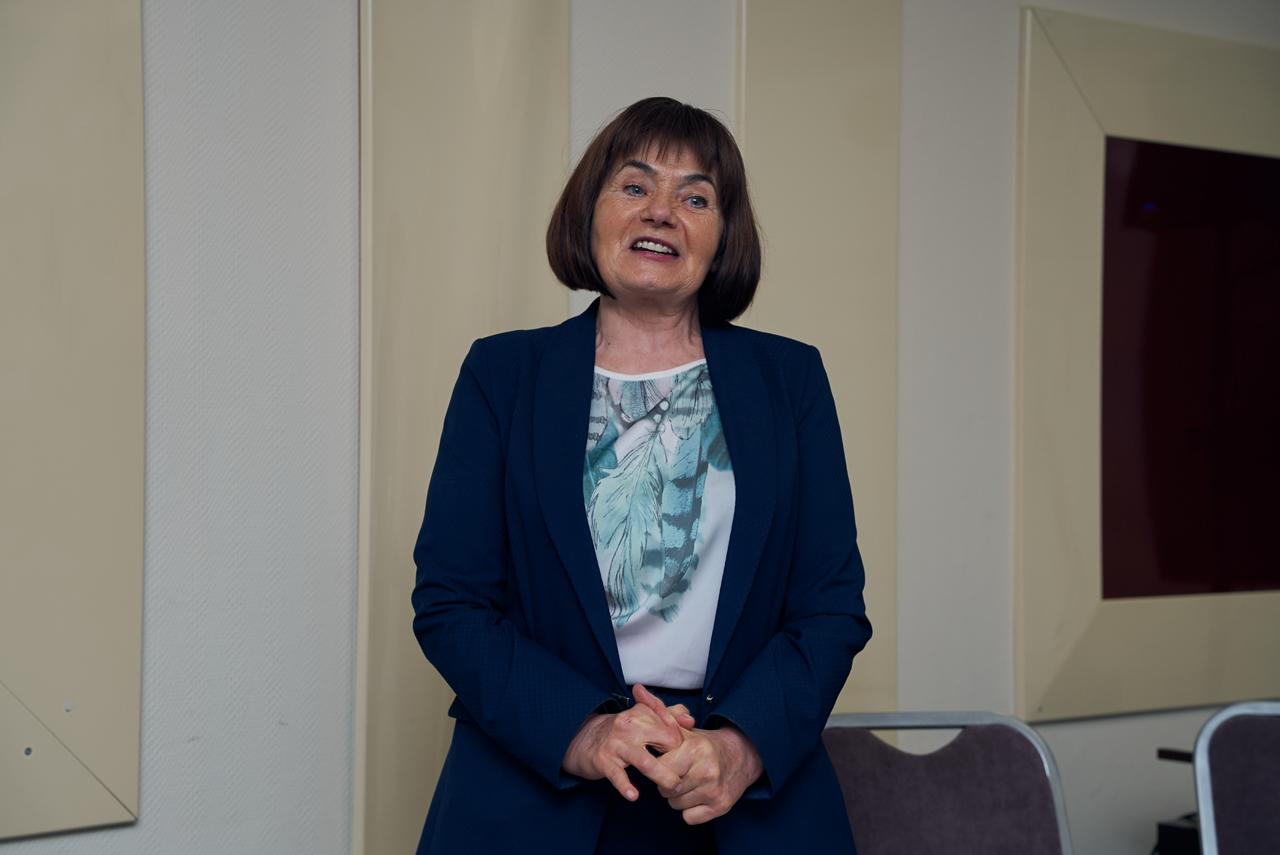
“Our training is designed to help judges not only learn about international standards, but also apply them effectively in practice, ensuring that the best interests of the child are upheld at every stage of the process. At the same time, it is important to strike a balance and remember the interests of both juvenile offenders and victims. However, we should pay particular attention to children who need help to get back to their normal lives and prevent them from reoffending,” said Yelyzaveta Kovtiuk, lecturer and coordinator of the Trainer Training Department at the National School of Judges of Ukraine and a retired judge of the Supreme Court of Ukraine.
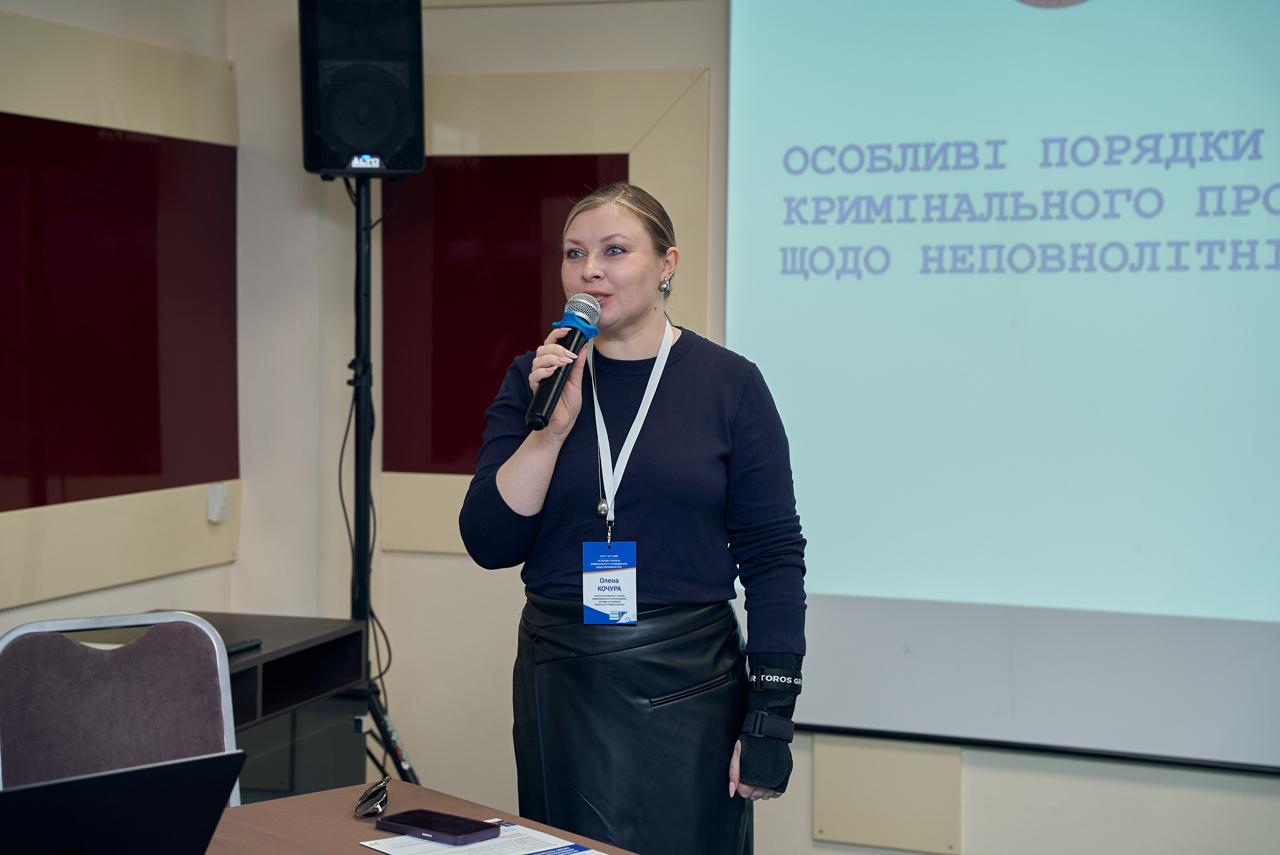
Olena Kochura, Key Expert on Reforming the Penitentiary System and Probation at EU Project Pravo-Justice, emphasised that the juvenile justice system must look beyond formal procedures to understand the root causes of children’s behaviour and recognise the responsibility adults bear for shaping their future paths.
“Juvenile justice is always about striking a balance between accountability and the opportunity for change. We often hear people say, ‘He or she should be locked up.’ But we should be asking a different question: what led the child to commit the offence, and what can we do to prevent it from happening again? When a child ends up in a custodial institution, they rarely learn a lesson that deters them. Instead, new risks arise. That is why our task is to give them a chance to return to a normal life,” noted Olena Kochura.
The expert also emphasised that EU Project Pravo-Justice promotes an approach centred on the best interests of the child, the principles of child-friendly justice, and decisions tailored to the individual circumstances of each child. According to Olena Kochura, the training curriculum was designed to support the practical application of these approaches, particularly by strengthening cooperation between courts and the probation service.
During the training, participants explored international standards on child-friendly justice and the restorative justice approach as a way to balance the interests of all parties involved in the proceedings. They also examined the specifics of pre-trial investigations in cases involving children, including the organisation of interviews with minors, the assessment of evidence, and the reasoning behind procedural decisions, taking into account the particular nature of such cases. In addition, they considered the psychological characteristics of juvenile participants and how these influence their behaviour and perception of court proceeding.
One part of the training was dedicated to working with juveniles in conflict with the law – an approach aimed not only at punishment but also at behavioural change and the prevention of reoffending. As Olena Kochura explained, the first step is to understand the causes of the offence by assessing the risks of reoffending. This tool helps identify the factors influencing unlawful behaviour, including past experiences, family environment, social circles, and the child’s psychological state. The next stage involves developing an individual action plan – a tailored set of measures designed to address these factors and improve the situation.
“If we do not understand the root causes, we cannot change the situation. Risk assessment gives us that insight and allows us to structure our work so that the child has a strong prospect of desisting from reoffending. Probation programmes are central to this process – they are tailored interventions for people under probation that help change behaviour by addressing aggression, mindset, and life skills, while reinforcing positive changes in practice,” explained Olena Kochura.
The training participants concluded that effective juvenile justice requires a combination of legal, psychological, and rehabilitative tools. The comprehensive approach explored during the training enables them not only to respond to offences, but also to reduce the risk of reoffending – for both the child concerned and society as a whole.