The First Nationwide Crime Survey: Regional Differences, the Impact of War, and the Level of Trust to Law Enforcement Agencies
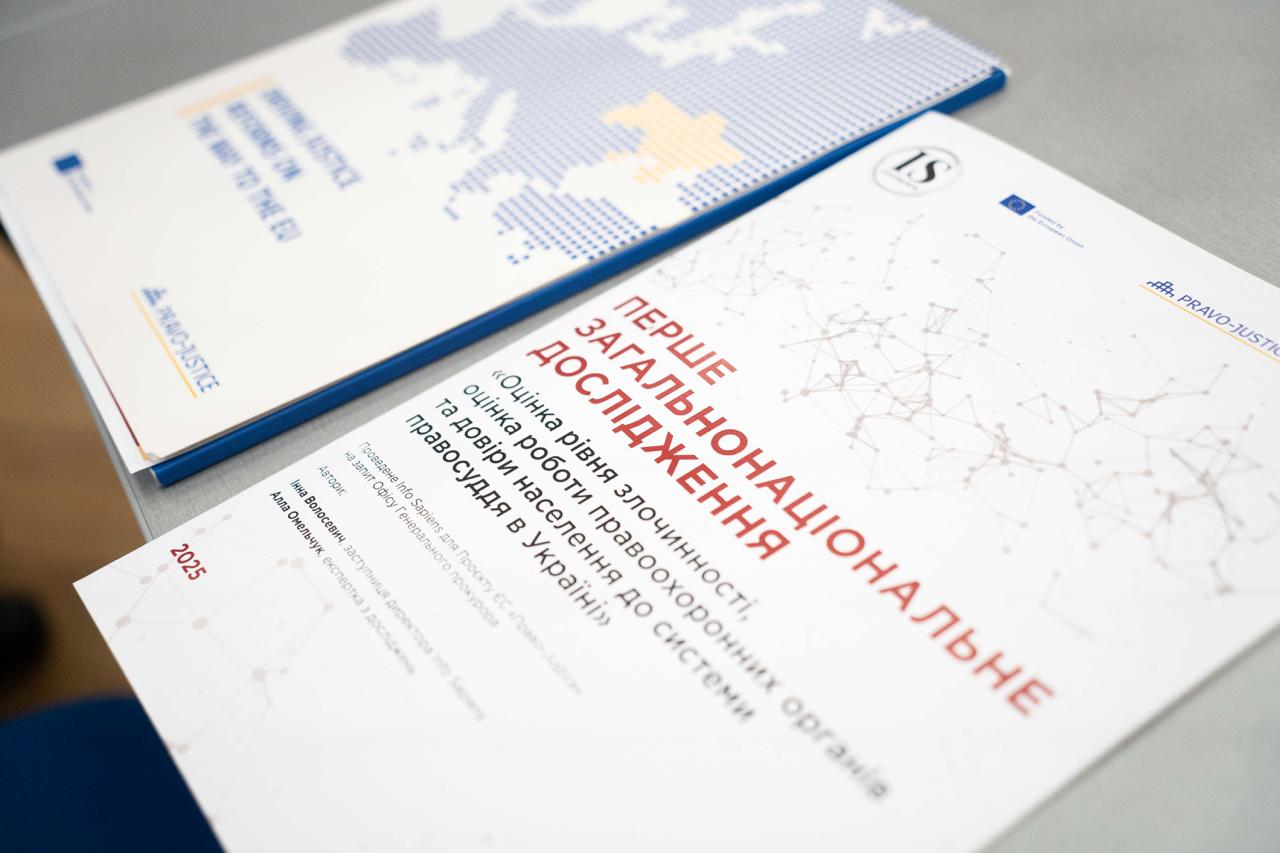
EU Project Pravo-Justice, in cooperation with Info Sapiens, presented the findings of the first nationwide survey on crime rates in Ukraine and public opinion on crime, law enforcement and the justice system. The survey was conducted by Info Sapiens with the support of the Project at the request of the Office of the Prosecutor General.
More than 14,000 respondents aged 16 and older participated in the study. In total, analysts conducted approximately 600 interviews in 22 regions and the city of Kyiv, enabling them to analyse data for each administrative unit separately. The survey was conducted between March and May 2025. Between September 2025 and October 2025, six focus group studies were conducted in six regions of the country.
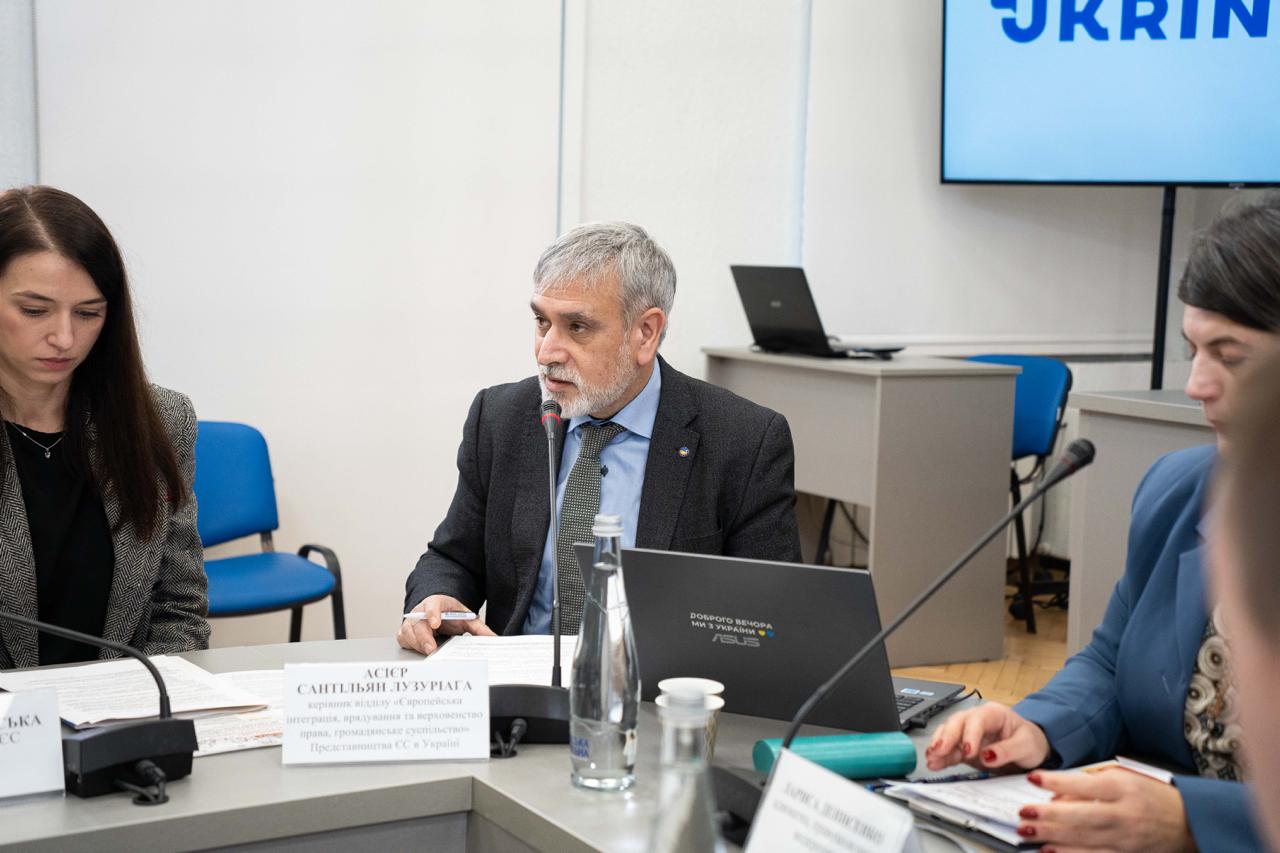
“In the European Union, crime surveys are conducted systematically because only regular and consistent data analysis gives governments the chance to identify real trends, assess the impact of reforms, and adjust their strategies. It is extremely important that, as Ukraine moves towards EU membership, this survey will not be a one-off initiative, but rather a regular policy-making tool,” said Asier Santillán Luzuriaga, Head of Section for European Integration, Governance, Rule of Law and Civil Society at the EU Delegation to Ukraine.
According to the survey, corruption (43%) remains the most serious problem for Ukrainians, apart from the war. Rising prices for consumer goods and utility tariffs (33%) come second, followed by economic problems (23%). Only 5% of respondents mentioned crime as one of the most serious problems in Ukraine, apart from the war. This indicates that crime has a lower priority in the overall structure of concerns in the society.
According to 65% of respondents, war is the main reason for the spread of crime in Ukraine. Every second respondent believes that corruption, the deteriorating economic situation, and drug and alcohol abuse also contribute to the spread of crime. War is a big reason why people are getting more weapons: the highest proportion of armed people is observed in frontline areas. In total, 8% of Ukrainians have firearms or air guns in their households, but the actual percentage may be higher as people are reluctant to admit that they are in possession of unregistered weapons. Among those who own weapons for personal use, pistols (33%) and shotguns (27%) are most commonly mentioned. Respondents said that the main reason for owning weapons was self-defence (48%).
About one-third of the population have been victims of at least one crime in the last 12 months (personally or as family members). The most common crimes are domestic and digital crimes related to everyday life: hooliganism (14.1%), fraud during the purchase of goods or services, including online purchases (12.7%), corruption (5.1%), fraud (4.9%), online theft from bank accounts (3.7%), theft of items from cars (2.1%), and violent crimes, including domestic violence (3.1%). The most common crimes also include threats of assault/violence (2.5%), assault/violence (2.1%), and sexual offences (1.9%). The authors of the survey note that the actual rate of domestic violence and sexual offences may be higher due to the stigmatisation of victims who suffered from these crimes.

“This is the first nationwide survey that gives Ukraine a picture of how people perceive safety and evaluate the work of the law enforcement system. The key feature of this survey is its regional dimension: data have been collected for each region, enabling consideration of territorial differences in policy-making. Such data should form the basis for decisions — from setting priorities to resource planning and improving the quality of services for citizens. That is why institutions working together on these findings is a prerequisite for a comprehensive, rather than fragmented, approach to safety,” emphasised Oksana Tsymbrivska, Team Leader at EU Project Pravo-Justice.
The survey also revealed that crime rates in Ukraine vary significantly from region to region. The most problematic are Kharkiv, Zaporizhia, Dnipropetrovsk, Mykolaiv, Kherson, and Sumy regions, and the city of Kyiv. High rates of most types of crime are recorded there. In contrast, the western regions show the lowest recorded crime rates, which is probably due to the fact that they are further away from the frontline and have a higher proportion of rural population.
Compared to the findings of the European Fundamental Rights Survey, Ukraine shows a slightly lower level of deception in online purchases of goods or services (13% versus 16% in the EU) and physical assault/violence (2% versus 6%) over the past 12 months, despite the full-scale war.
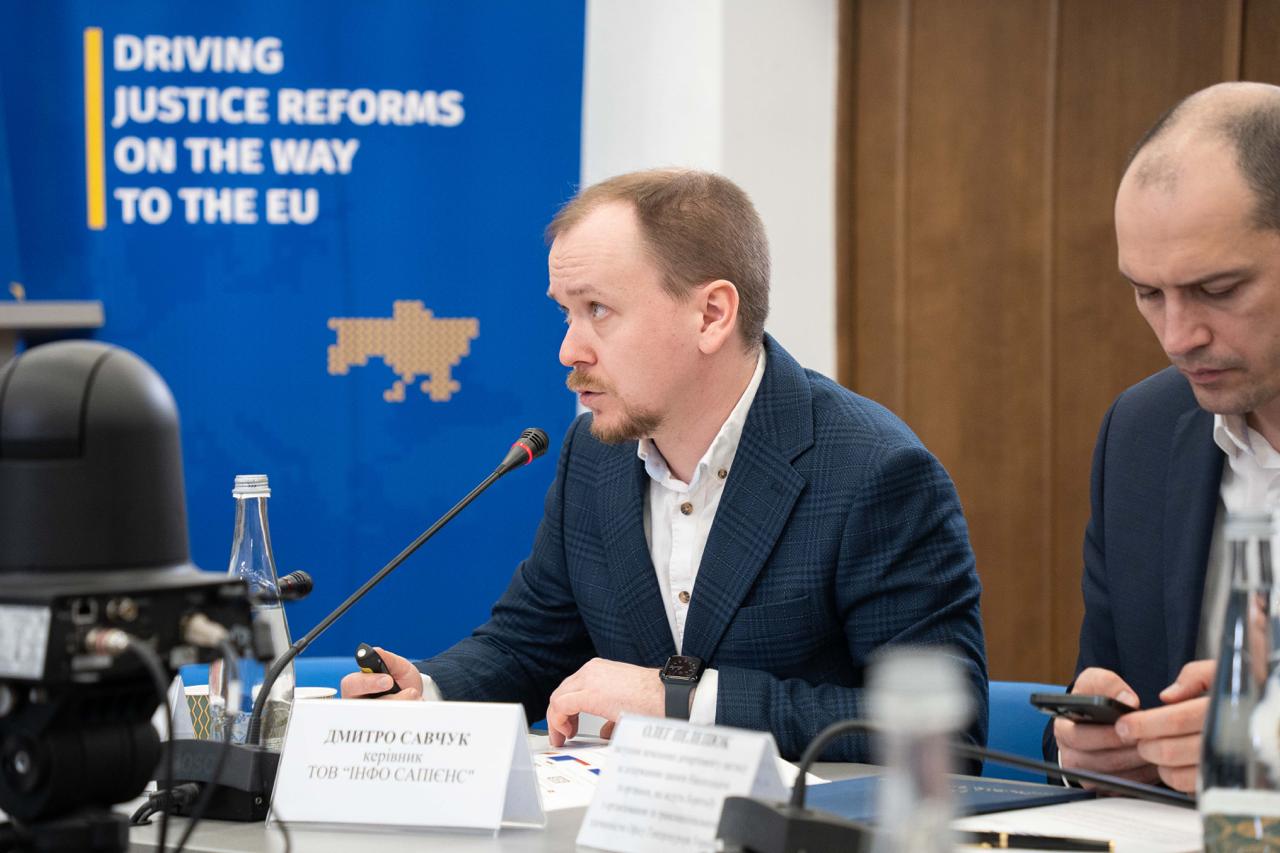
“Since this is the first nationwide survey conducted in Ukraine, it is unclear how the full-scale war has affected crime rates. It is even possible that crime rates have decreased due to increased social solidarity, external migration, mobilisation, etc.,” said Dmytro Savchuk, CEO of Info Sapiens LLC, who presented the survey findings.
While the crime rate for these types of crimes in Ukraine is lower than or similar to that in the EU, the proportion of those who reported economic crimes to law enforcement agencies is significantly lower than in EU countries. In particular, in cases of fraud when purchasing goods or services, including online purchases, 72% of Ukrainians said they did not report the crime to the police because they did not believe it would help, compared to 25% of those in the EU. For online theft, the corresponding figures are 44% versus 13%; for physical assault, 26% versus 18%.
Those who contacted the police following a physical assault were asked to rate their satisfaction with the response of law enforcement officers. Unfortunately, only 35% of respondents in Ukraine were satisfied, compared to 63% in the EU.
Victims of crime in Ukraine are also much more likely to take action themselves than in the EU: for example, in cases of physical assault, 54% of Ukrainians said they did not report the crime to the police because they wanted to resolve the issue themselves, compared to 28% in the EU; for online theft, the figures are 32% versus 21%; and for fraud in purchases, 27% versus 18%. The survey findings also showed that trust towards criminal justice authorities is gradually increasing (compared to 2018). The National Police showed the highest level of trust, with 44% of respondents rating it between 6 and 10 on a 10-point scale. Next came the State Bureau of Investigation (31%) and the Public Prosecutor’s Office (29%).
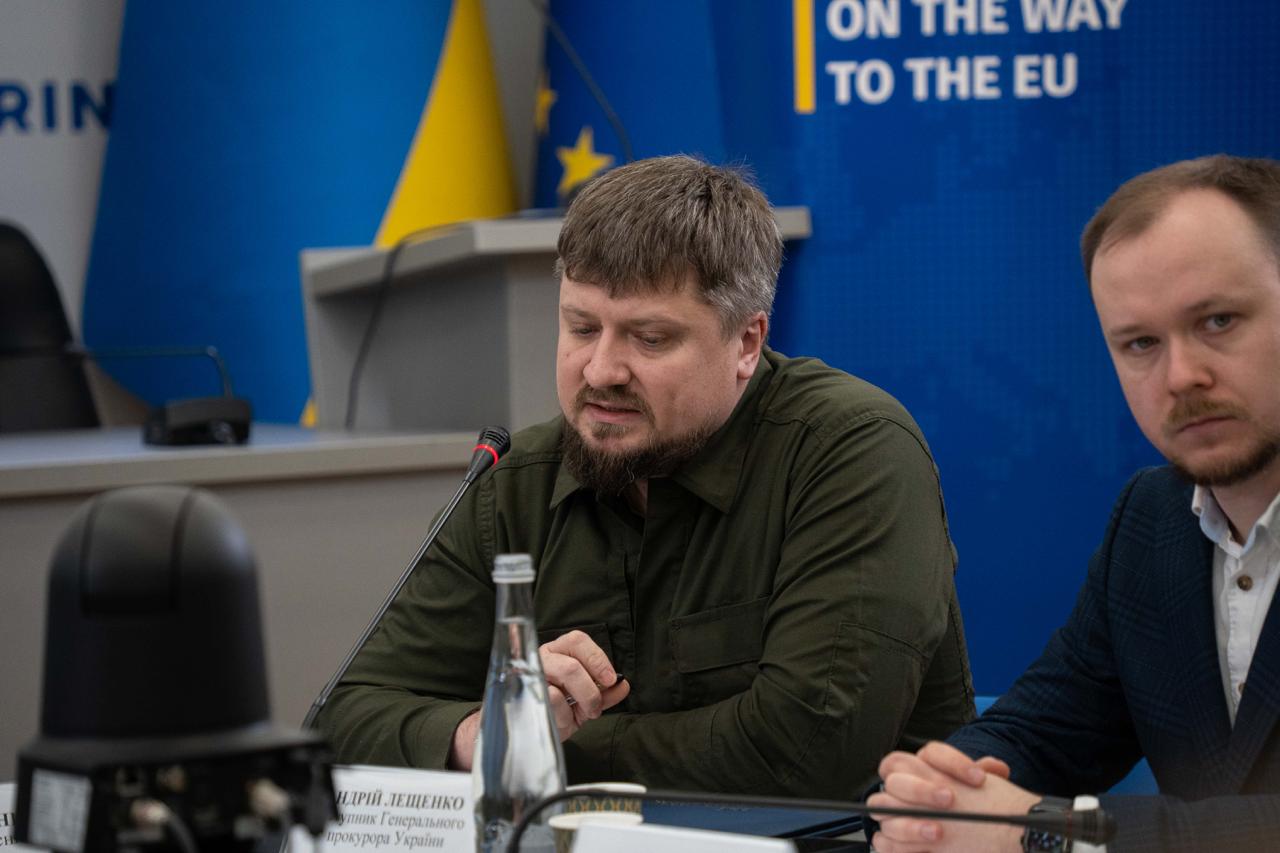
“For the first time, the state got a comprehensive picture of crime, which shows not only official data, but also the real level of hidden crime and how people feel about the criminal justice system in general. In particular, the survey findings show that people’s trust is growing. At the same time, the findings are a key tool for further improvement of criminal policy, boosting efforts to protect victims’ rights, improving the efficiency of investigations, and developing standards for interaction with individuals,” emphasised Andrii Leshchenko, Deputy Prosecutor General.
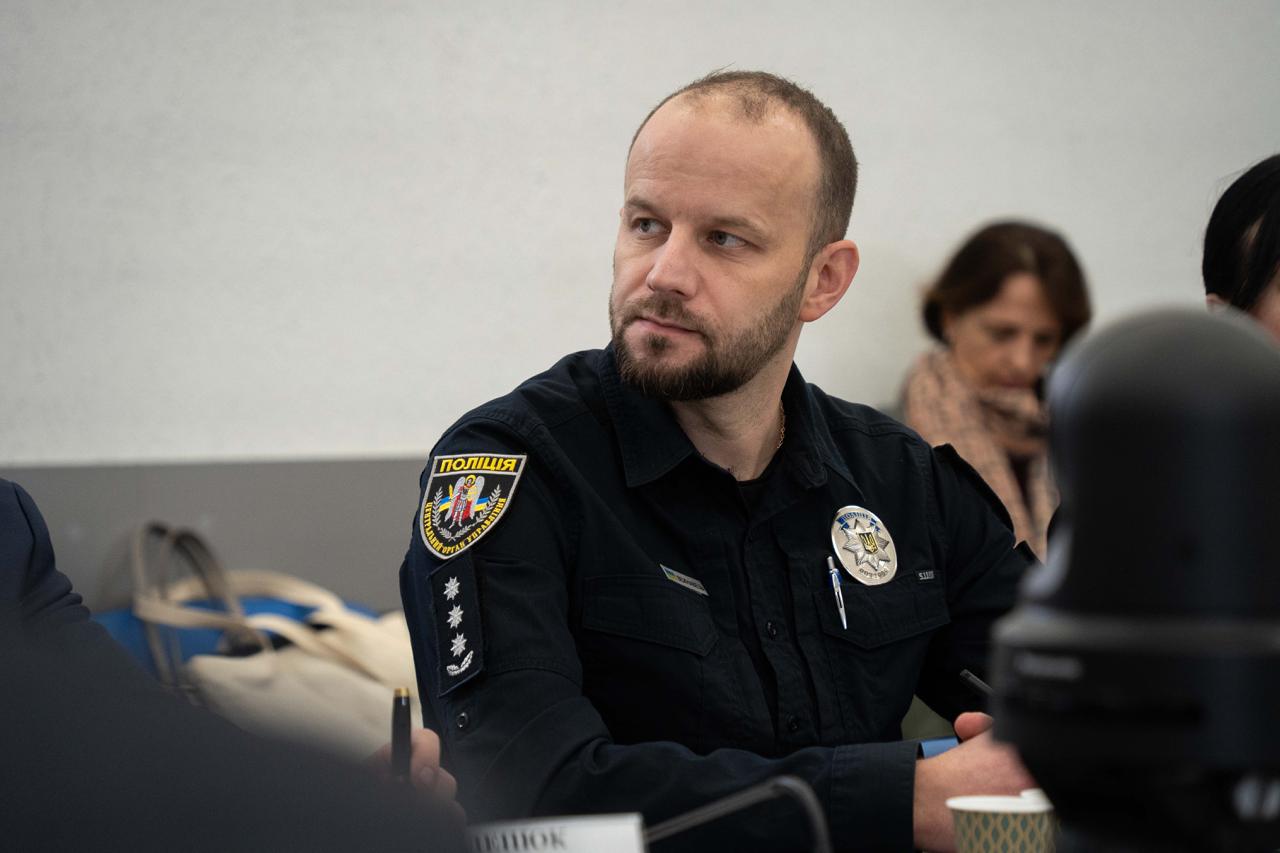
Borys Vezhnavets, Head of the Department of Organisational and Analytical Support and Rapid Response at the National Police of Ukraine and Police Colonel, emphasised the importance of improving communication between law enforcement agencies and individuals.
“The National Police has already approved the Strategy for the Development of the National Police for the next five years. One of the strategic objectives is to ensure openness, transparency and accountability of the police and to improve communication with individuals, and we will definitely use the survey findings in our work,” Borys Vezhnavets said during the presentation.
Reforms establishing the patrol police and introducing automated traffic violation detection received the highest scores by 48% and 56% of respondents respectively, who consider these changes to be very successful.
The full findings of the nationwide study ‘Assessment of Crime Levels, Law Enforcement Performance and Public Trust in the Judiciary in Ukraine’ are available here.