EU Project Pravo-Justice Supported the Publication and Presentation of EU Regulation 2015/848 on Insolvency into Ukrainian
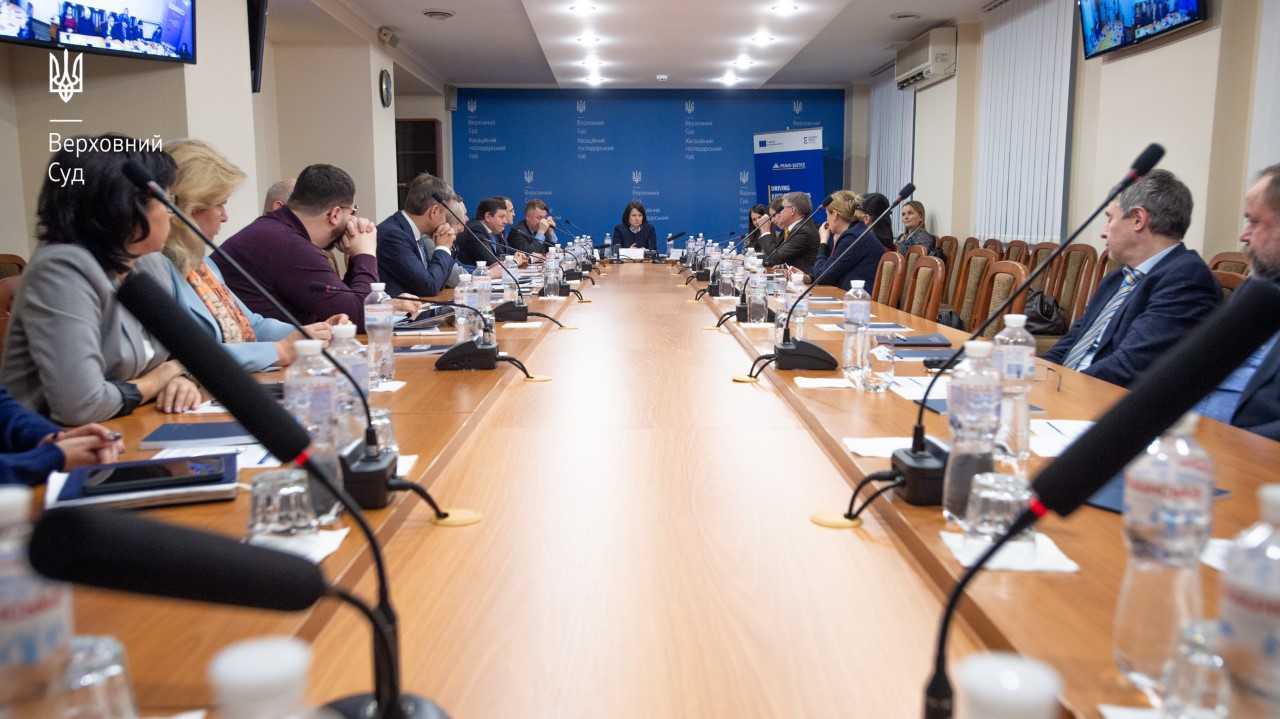
On 11 December, the Commercial Court of Cassation in the Supreme Court, together with EU Project Pravo-Justice, discussed the application of cross-border insolvency procedures in Ukraine and presented the translation of Regulation (EU) 2015/848 on Insolvency Proceedings into Ukrainian. The event highlighted the core provisions of the Regulation and the prospects for its application by Ukrainian commercial courts. Judges from commercial courts, members of the Parliament, representatives of the Ministry of Justice of Ukraine, lawyers and academics joined the discussion.
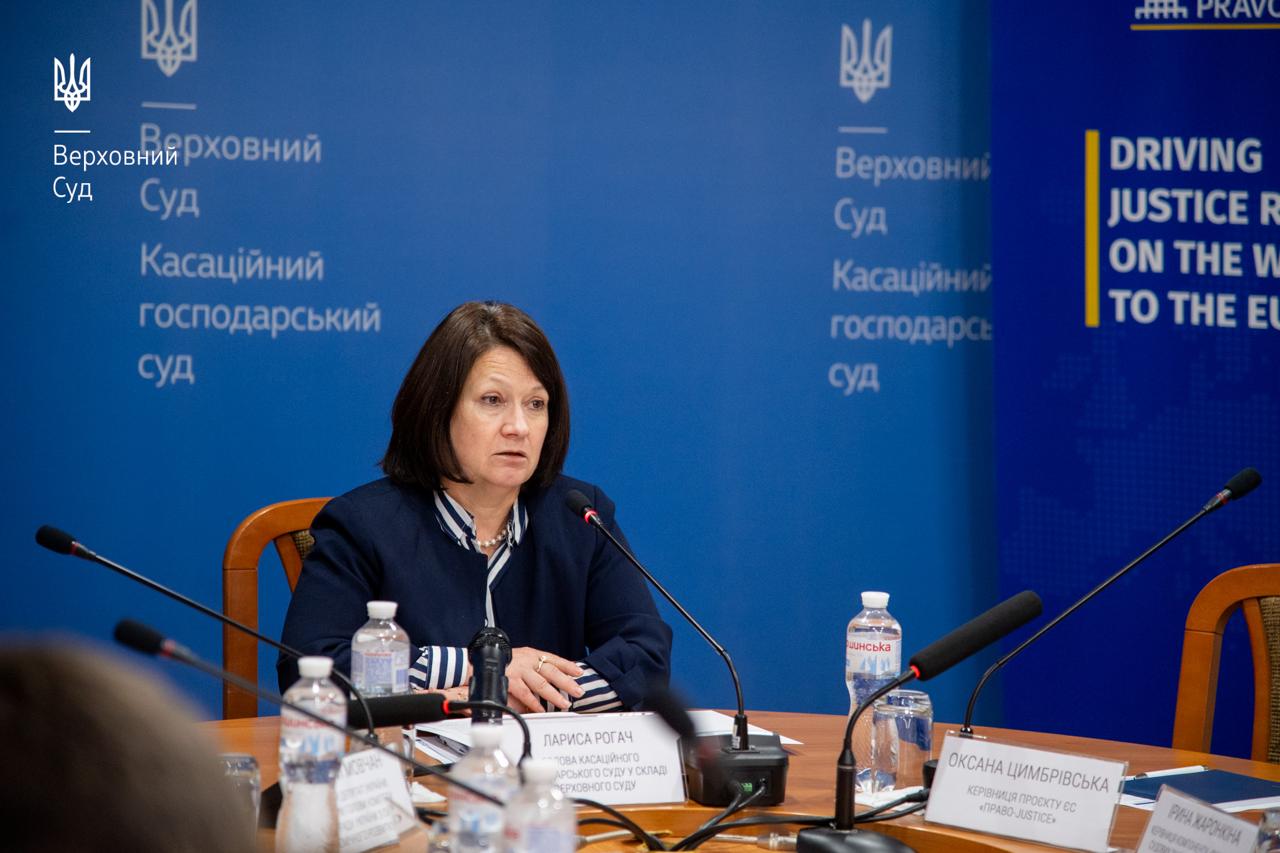
“Regulation (EU) 2015/848 is important for shaping a modern approach to cross-border insolvency in Ukraine. The presentation of its translation into Ukrainian, produced with the support of EU Project Pravo-Justice, will promote a consistent understanding of its provisions among judges, bankruptcy trustees, lawyers and academics, and will be a step towards harmonising the application of law,” said Larysa Rohach, President of the Commercial Court of Cassation in the Supreme Court.
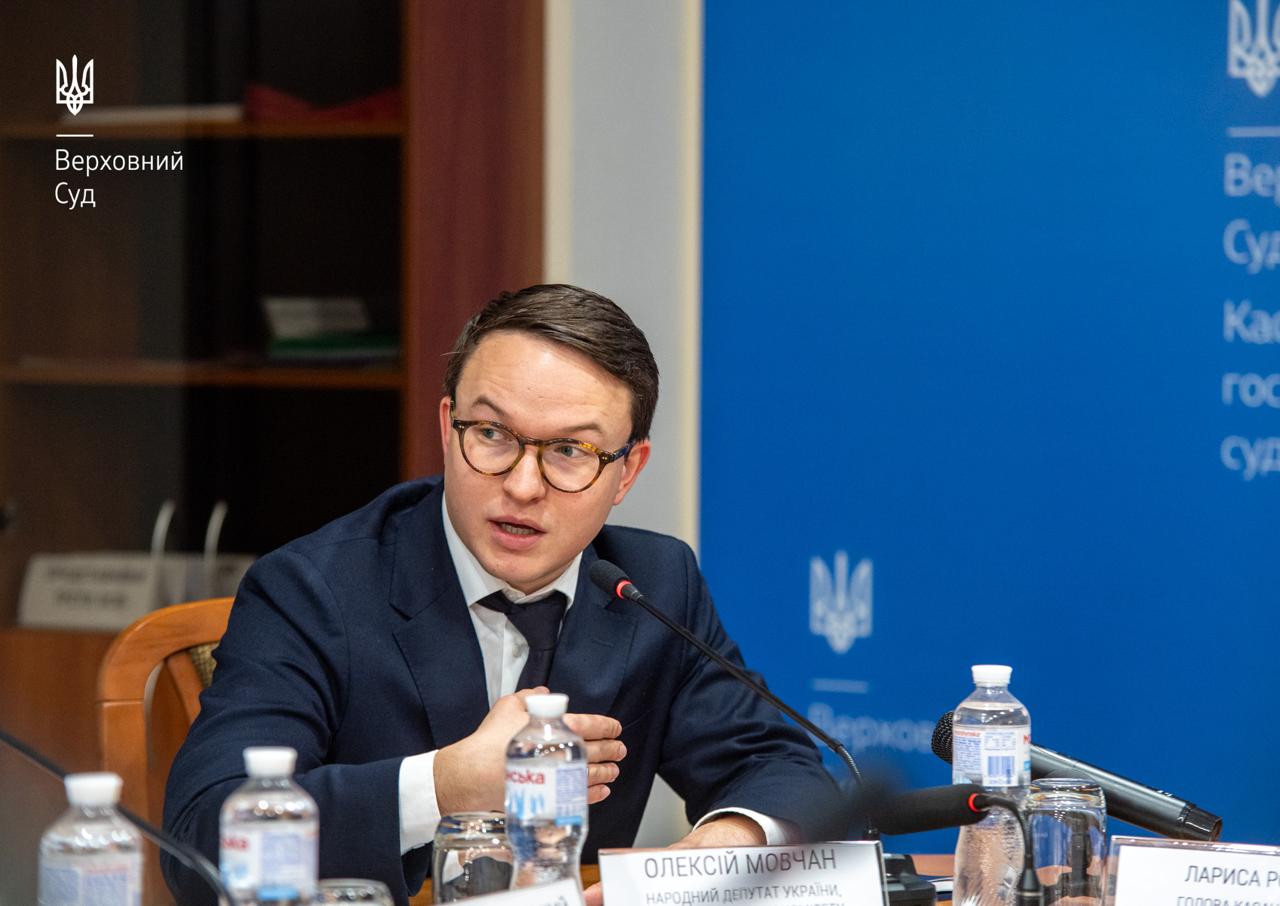
Oleksii Movchan, Deputy Chair of the Parliamentary Committee on Economic Development, emphasised the importance of systematic cooperation between the legislature and the judiciary in aligning Ukrainian legislation to EU standards.
“Good cooperation and alignment of Ukrainian legislation with EU standards are key to the effective implementation of bankruptcy procedures and the protection of creditors’ rights. Only professional discussion and a gradual approach will help develop viable legislation that meets the Ukrainian context and European standards,” he said.
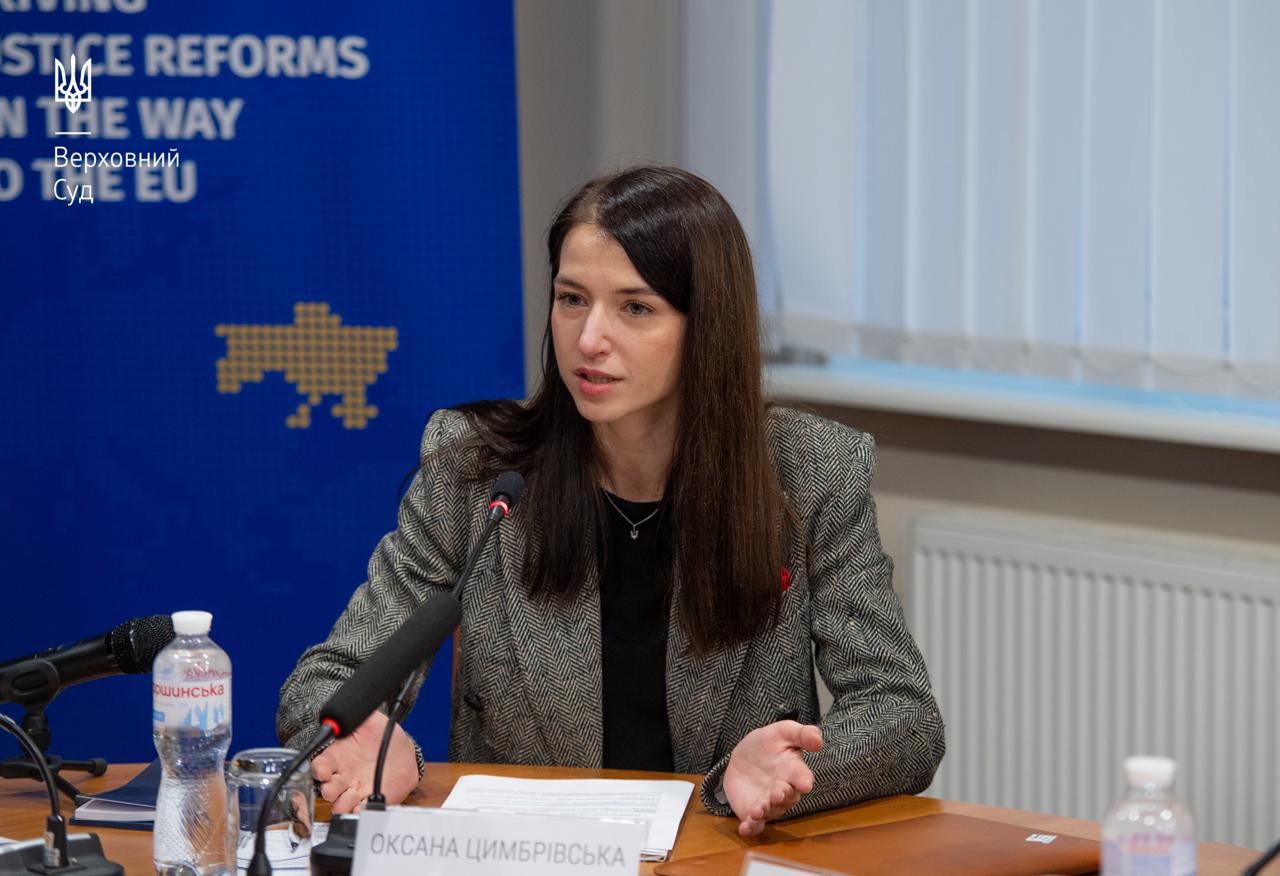
Oksana Tsymbrivska, Team Leader of EU Project Pravo-Justice, noted that the translation of the EU Regulation on cross-border insolvency proceedings into Ukrainian is extremely important as it gives participants involved in the proceedings the opportunity to work with the authoritative text, agree on terminology and avoid discrepancies.
“This issue became particularly relevant during the war, when individuals and legal entities are transferring their assets abroad, creating risks of jurisdictional conflicts. The work of the courts will be a crucial factor in ensuring the quality and consistency of the application of legislation, which the European Commission assesses particularly thoroughly. Translating the document was only the first step. The next key priority will be to train judges and bankruptcy trustees to ensure a consistent understanding and proper application of the Regulation in Ukraine. Our goal is not only to provide technical expertise, but also to develop a modern and effective bankruptcy system aligned with European standards that can cope with challenges, particularly in wartime,” said Oksana Tsymbrivska.
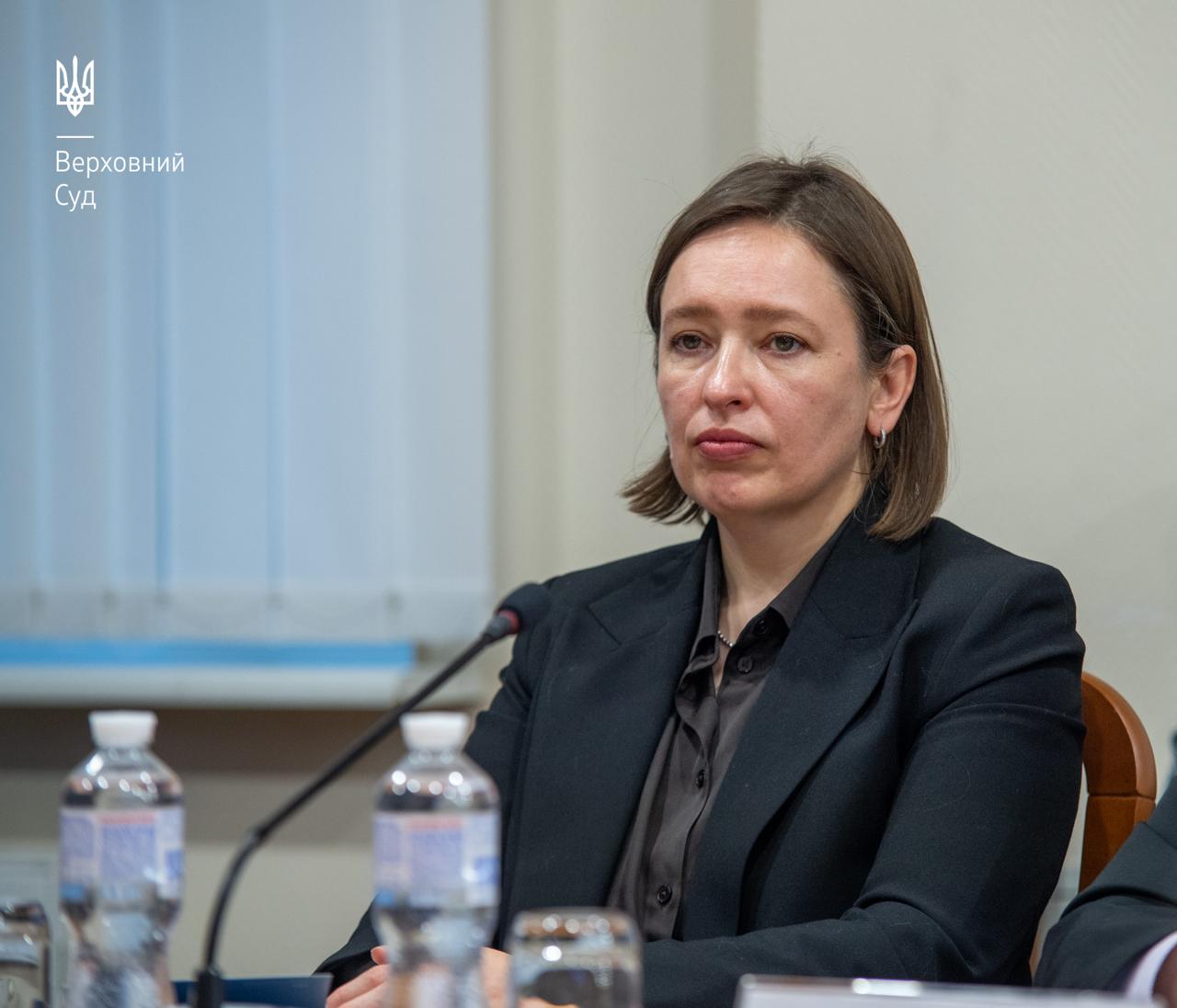
Iryna Zharonkina, Enforcement and Protection of Property Rights Component Lead at EU Project Pravo-Justice, who moderated the discussion, emphasised that having the Ukrainian translation of the Regulation is important to make it accessible to professionals, as it is currently not included in the database of official translations of EU legal frameworks.
“Working on the translation of the Regulation provided an opportunity to analyse the cross-border insolvency, in particular assess the legal framework, jurisprudence, the position of the Ministry of Justice, and academic research,” said Iryna Zharonkina.
At the event, Supreme Court judges Volodymyr Pohrebniak and Viacheslav Pieskov outlined the current regulatory framework for cross-border insolvency, gaps and challenges, as well as current jurisprudence and prospects for applying the provisions of the Regulation. Serhii Donkov, Director of the Bankruptcy Department of the Ministry of Justice of Ukraine, spoke about the practical aspects of recognising foreign bankruptcy proceedings and the prospects for aligning national legislation with European standards. Oleksandr Biriukov, Professor of the Department of Private International Law at the Institute of International Relations of Taras Shevchenko National University of Kyiv, presented international regulation of cross-border insolvency and opportunities for implementing EU best practices in Ukraine.
The participants noted that the event was an important step towards harmonising Ukrainian legislation with international standards and developing a contemporary bankruptcy system.
Read the Ukrainian translation of Regulation (EU) 2015/848 on Insolvency Proceedings