International Conference ‘United for Justice’ Took Place in Kyiv
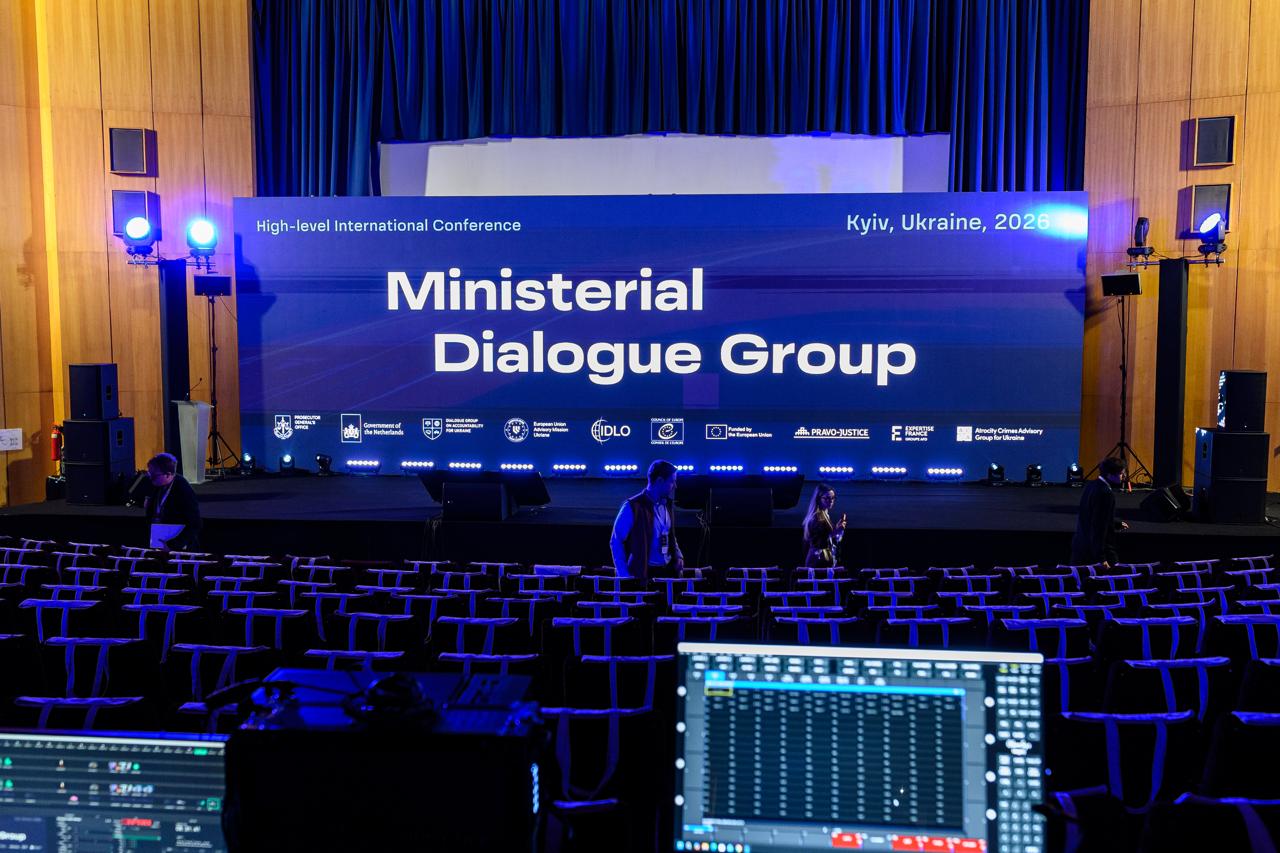
On 7 May, Kyiv hosted a Ministerial Meeting of the Dialogue Group on Accountability for Ukraine and the International Conference ‘United for Justice. Accountability for Crimes Against Civilians.’
The event, organised by the Office of the Prosecutor General and the Government of the Netherlands with the support of European and international partners, brought together representatives of Ukrainian state institutions, international organisations, partner governments, the expert community and civil society around a common goal – to strengthen international cooperation in holding perpetrators accountable for international crimes committed as a result of the Russia’s aggression against Ukraine.
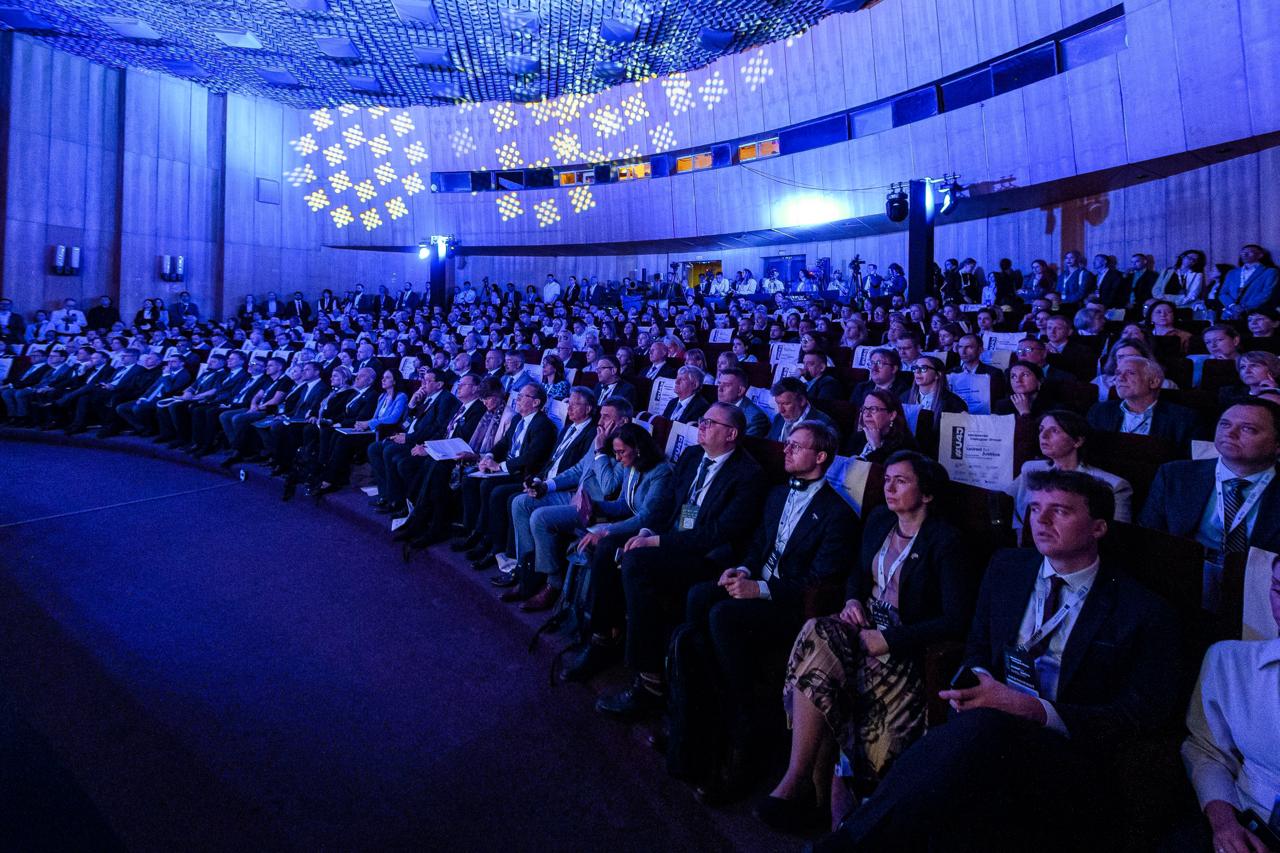
One of the key landmarks of the conference was the Ministerial Dialogue Group’s panel, dedicated to harmonising Ukrainian legislation with international standards of criminal law following the ratification of the Rome Statute.
While exchanging their views, the participants discussed progress in bringing Ukraine’s Criminal Code and Criminal Procedure Code in line with international standards, particularly regarding the definition of war crimes and the crime of aggression, as well as strengthening safeguards for the protection of victims and witnesses.
Particular attention was paid to the challenges of implementing international humanitarian and criminal law into the Ukrainian legal system, alignment with EU standards on victims’ rights and the Ljubljana-Hague Convention on Mutual Legal Assistance, as well as the study of best international practices.
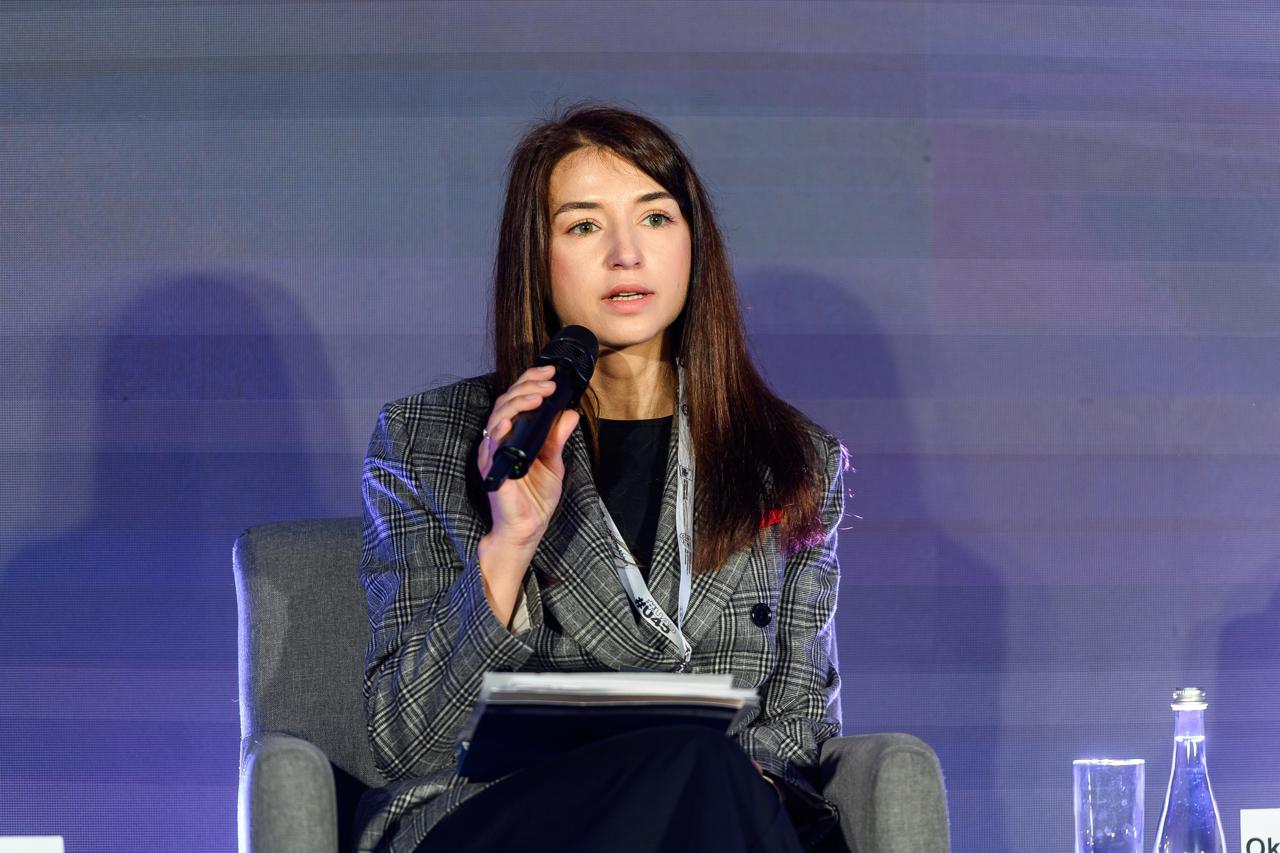
Oksana Tsymbrivska, Team Leader of EU Project Pravo-Justice, spoke during the panel. She emphasised that the key aspect of harmonisation is not merely the alignment of legal provisions, but a change in the approach to victims in criminal proceedings.
“Harmonising Ukrainian criminal legislation with international standards is no longer a theoretical exercise. It is a legal obligation for Ukraine on its path to the EU. But the most important thing is not just the formal harmonisation of rules, but a change in approach within the justice system: how investigators, prosecutors, judges, and lawyers view the victim in criminal proceedings. A person-centred approach must be at the heart of justice,” emphasised Oksana Tsymbrivska.
In addition, she called on member states to be more active in ratifying the Ljubljana-Hague Convention, stressing that only broad participation by states will allow this instrument to function to its full capacity in cases involving international crimes.
During the conference, participants also discussed:
- Strategic development of investigations into international crimes;
- Crimes in temporarily occupied territories;
- Crimes against Ukrainian children;
- Russia’s attacks on critical infrastructure.
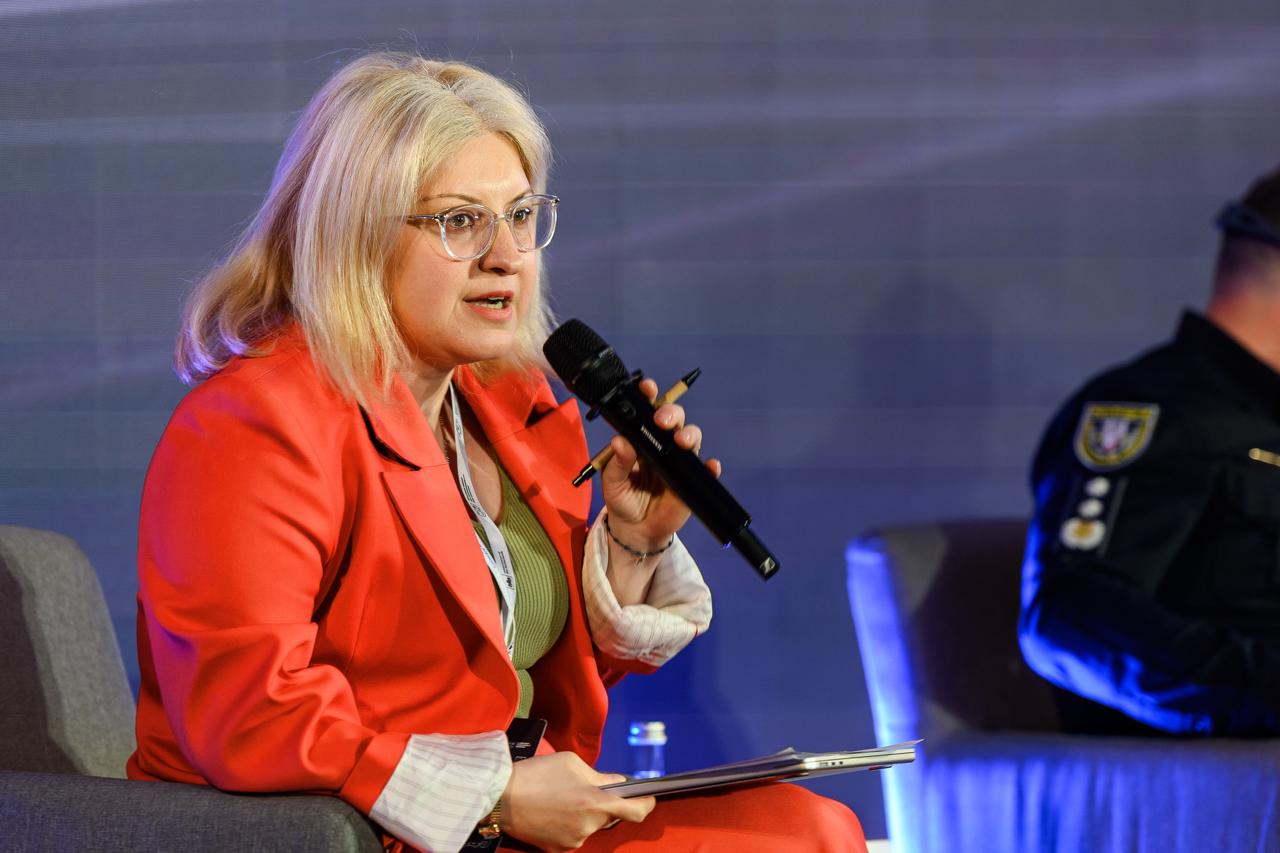
The issue of using UAVs for targeting the civilian population took centre stage during the panel discussion ‘Weaponising the Sky: Drones and the Targeting of Civilians’. Opening the discussion, Tinatin Goletiani, Senior International Expert and Fight against International Crimes Sub-Component Lead at EU Project Pravo-Justice, drew attention to the scale and systematic nature of such crimes.
“The skies over Ukraine have been turned into a weapon. Thousands of drone strikes on residential buildings, hospitals and schools cannot be justified by any military necessity. Documenting, investigating and prosecuting drone strikes against the civilian population is a complex task, not only because of the complexity and constant evolution of various technologies, but also when it comes to establishing intent and attribution across the entire spectrum of criminal liability: from those who formulate policy and supply the means, to those who order or incite the commission of these crimes, and right down to those who carry them out on the ground,” emphasised Tinatin Goletiani.
In particular, the panel examined issues related to the documentation and investigation of such attacks, especially given their frequency, precision and constantly evolving technological characteristics.
The discussion also focused on evidence demonstrating the deliberate and large-scale nature of the attacks, as well as the legal classification of these acts, specifically as terrorism or crimes against humanity.